


You probably recognize taro smoothie boba by its bold purple color. This drink mixes taro root or powder with milk, sweetener, and chewy boba pearls. When you blend it, the smoothie turns a creamy, dreamy purple shade. The purple color stands out at any boba shop. People love the purple hue, and the taste is sweet, nutty, and sometimes has a hint of vanilla. The purple color comes from the taro itself or the powder used. Taro smoothie boba shows up on menus in the United States, Taiwan, China, and even the United Kingdom. The purple drink has become super popular, especially with younger crowds. The purple craze has helped the global taro powder market grow quickly. The purple trend fits right in with the overall bubble tea boom. In Taiwan, purple taro smoothie boba is more than a trend—it’s part of daily life. You see purple everywhere, from purple cups to purple toppings. In the last five years, purple drinks like taro smoothie boba have made bubble tea sales jump by 300% in the U.S. The purple flavor segment is growing faster than any other. When you sip a taro smoothie, you get a blast of purple color, a creamy smoothie texture, and a chewy boba surprise. The purple drink keeps winning over fans who want something different and tasty. If you like purple drinks, taro smoothie boba should be on your list. The purple color, creamy smoothie texture, and sweet boba pearls make it a favorite. You can’t miss the purple when you walk into a boba shop. Purple taro smoothie boba is here to stay. The purple drink is both fun and delicious, and you’ll see the purple trend popping up all over the world.
Key Takeaways
Taro smoothie boba is a creamy and sweet drink. It is made from taro root or powder, milk, sweetener, and chewy boba pearls. The bright purple color makes it look very nice.
You can make taro smoothie boba at home with simple things. Use taro powder, milk, and tapioca pearls. Try different kinds of milk and sweeteners to change the taste.
Taro boba has a special flavor. It tastes sweet and nutty and feels chewy. It is a fun and tasty choice if you want something new instead of regular boba drinks.
Taro Smoothie Boba Basics
What Is Taro Smoothie Boba
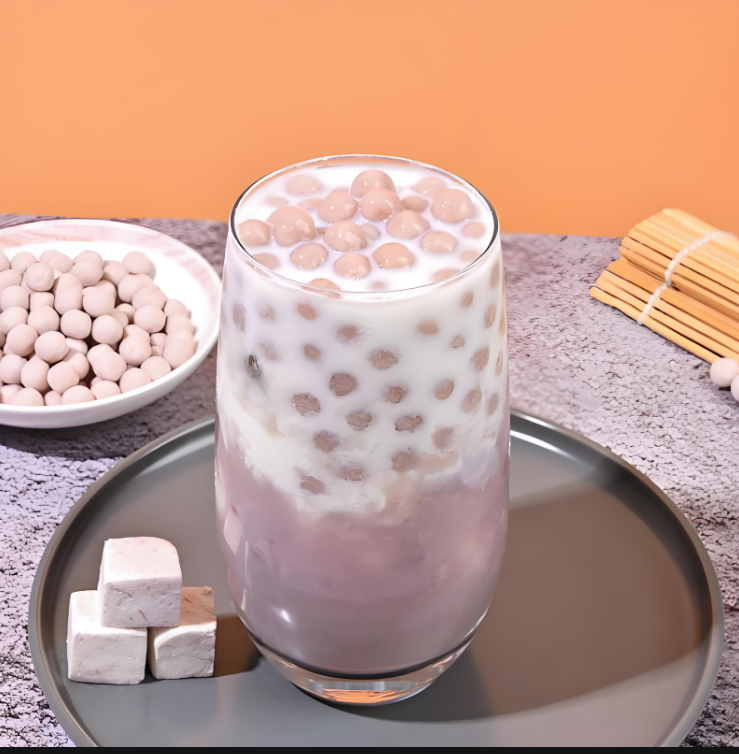
When you walk into a boba shop and spot a drink with a bright purple color, you are probably looking at taro boba. This drink stands out because of its rich purple shade and creamy look. People love to snap photos of taro boba because it looks so good. The color comes from taro root or taro powder, which gives the drink its signature look.
Taro boba is more than just a pretty drink. You get a thick, creamy smoothie that feels smooth when you sip it. The chewy tapioca pearls at the bottom add a fun surprise. Many people say taro boba tastes sweet and nutty, with a hint of vanilla. The texture is creamy, and the pearls give you something to chew on. This makes every sip interesting.
You might wonder what goes into taro boba. Here is a quick look at the main ingredients and steps:
| Ingredient/Step | Description/Quantity |
| Taro Powder | Four tablespoons of taro powder |
| Tea Base | Blended with green tea or jasmine tea |
| Milk | Half a cup of condensed milk or coconut milk |
| Sweetener | Half a cup of sugar or honey |
| Tapioca Pearls | Half a cup of cooked and drained tapioca pearls |
| Preparation Steps | Steep tea, whisk in taro powder, combine with milk |
You can see that taro boba uses a mix of tea, milk, sweetener, and taro powder. The smoothie version blends everything with ice, making it cold and thick. When you try taro boba, you get a drink that is both creamy and chewy. The look and feel make it a favorite for many people.
Taro boba has an interesting history. Taro has been a staple in Asian food for a long time. In the 1980s, tea shop owners in Taiwan started adding chewy tapioca pearls to iced milk tea. They wanted to offer new flavors, so they added taro, a starchy root vegetable. This new mix quickly became popular. By the early 2000s, taro bubble tea had spread to North America and Europe. People loved the creamy, sweet taste and the fun texture.
Did you know? Taro boba is famous for its Instagram-worthy look. The purple color and creamy texture make it one of the most photographed drinks at boba shops.
Taro Boba vs. Other Boba Drinks
You might wonder how taro boba compares to other boba drinks. Each type has its own flavor, color, and texture. Taro boba stands out because of its sweet, nutty taste and creamy feel. The light purple color makes it easy to spot. Other boba drinks, like classic milk tea or matcha, have different flavors and looks.
Let’s compare some popular boba drinks:
| Drink Type | Flavor Profile Description |
| Taro Boba | Sweet, nutty flavor with hints of vanilla; creamy texture; dessert-like and visually appealing (light purple color). |
| Classic Milk Tea | Robust black tea flavor combined with creamy milk and sweetness; a classic and traditional flavor. |
| Matcha | Earthy, vegetal taste with a slightly bitter undertone, balanced by a hint of sweetness. |
Taro boba gives you a dessert-like drink that feels rich and smooth. The flavor is sweet and nutty, which is different from the strong tea taste in classic milk tea or the earthy flavor in matcha. The chewy tapioca pearls add a fun twist to every sip.
People often describe taro bubble tea as having a creamy consistency and a chewy texture from the pearls. The drink looks beautiful and tastes like a treat. If you want something different from the usual boba, taro boba is a great choice.
Over time, taro bubble tea has changed and grown. Shops now offer new flavors, toppings, and even frozen or blended versions for hot days. You can find taro boba with popping boba, jelly, pudding, or milk foam. Some shops mix taro with fruit teas or other drinks. This makes taro boba one of the most creative and customizable drinks you can try.
If you want a drink that is sweet, creamy, and fun to look at, taro boba is the way to go. You get a unique flavor, a cool color, and a chewy surprise in every sip.
Ingredients and Flavor
Taro Root and Taro Powder
When you look at taro boba, you might wonder what gives it that special color and taste. The answer starts with taro root and taro powder. These are the core ingredients that set taro smoothie apart from other drinks. Taro root is a starchy vegetable that grows in tropical places. People have used it in Asian cooking for centuries. When you use fresh taro root in your smoothie, you get a natural, creamy texture and a soft, nutty flavor. The color turns a gentle lavender-gray.
Taro powder is another popular choice. Many boba shops use it because it is easy to blend and gives a pastel purple color. Taro powder makes your taro smoothie sweeter and more dessert-like. The flavor becomes richer, and the drink looks even more eye-catching. Both options work well, but they create different experiences.
You might be surprised to learn that taro root and powder also bring nutrition to your drink. Here’s a quick look at what you get in each serving:
| Nutrient | Amount per Serving | Daily Value (%) |
| Fiber | 6.7 grams | – |
| Manganese | 30% | – |
| Vitamin B6 | 22% | – |
| Vitamin E | 19% | – |
| Potassium | 18% | – |
| Copper | 13% | – |
| Vitamin C | 11% | – |
| Phosphorus | 10% | – |
| Magnesium | 10% | – |
Taro boba ingredients give you fiber, vitamins, and minerals. You get a drink that is not just tasty but also brings some health benefits. Taro is high in antioxidants and helps your body fight off free radicals. It is also low in fat, so you can enjoy your smoothie without feeling too heavy.
Milk, Sweetener, and Boba Pearls
The next core ingredients in taro smoothie are the milk, sweetener, and boba pearls. You can use regular milk, but many people like to try milk alternatives. Each one changes the taste and nutrition of your drink. Here’s a table to help you pick:
| Milk Alternative | Taste Profile | Nutritional Impact |
| Almond Milk | Light and nutty | Low in calories, rich in vitamin E |
| Oat Milk | Creamy and slightly sweet | Higher in carbohydrates, good fiber source |
| Coconut Milk | Rich and aromatic | High in saturated fats, adds creaminess |
| Soy Milk | Smooth and adaptable | Good source of protein, low in fat |
| Cashew Milk | Extra creamy | Rich in healthy fats, lower protein content |
You can see that each milk gives your taro smoothie a different twist. Coconut milk makes it rich and creamy. Oat milk adds a gentle sweetness. Almond milk keeps it light. Soy milk brings more protein. Cashew milk gives you extra creaminess.
Sweeteners are just as important. Most shops use sugar or condensed milk to balance the earthy taste of taro. Some people like to use honey or agave nectar for a healthier option. These sweeteners change the flavor and make your taro boba taste even better. Cane sugar gives a classic sweetness. Honey and agave add their own unique notes.
Now, let’s talk about the chewy surprise at the bottom—tapioca pearls. These little balls are made from tapioca starch. They soak up the flavor of your drink and give you a fun, chewy bite. Tapioca pearls are a must-have in any boba drink. They make every sip more exciting.
If you want to try something new, you can add extra toppings. Some people like to mix in tropical fruits like mango, banana, or pineapple. Others add flavor essences like vanilla or almond. You can even use condensed coconut milk or coffee creamer to make your smoothie thicker. These add-ins change the taste and texture, making your taro boba unique every time.
Taro Smoothie Taste and Texture
When you take your first sip of taro smoothie, you notice the rich flavor right away. The drink feels velvety and smooth. The taste is sweet and nutty, with hints of vanilla and soft brown sugar. Some people say it reminds them of a dessert. The taro gives it an earthy, custardy base, while the sweetener lifts the flavor.
The texture is just as important as the taste. Taro smoothie has a thick, creamy feel. The tapioca pearls add a chewy, springy bite. Every sip gives you a mix of smooth and chewy. Some people even describe the pearls as squidgy or bouncy. If you like drinks with layers of texture, you will love taro boba.
Here’s a quick look at the nutrition in a cup of taro smoothie boba:
| Nutrient | Amount per Cup (237.5g) | Daily Value (%) |
| Calories | 150 | – |
| Total Fat | 2.5 g | 3% |
| Saturated Fat | 1.5 g | 7% |
| Cholesterol | 2.5 mg | 0% |
| Sodium | 25 mg | 1% |
| Total Carbohydrates | 32.5 g | 11% |
| Dietary Fiber | 0.5 g | 1% |
| Sugars | 20.0 g | – |
| Protein | 1.0 g | 2% |
| Calcium | 50.0 mg | 3% |
| Iron | 0.3 mg | 1% |
| Potassium | 75.0 mg | 1% |
Taro smoothie boba is not just about taste. It gives you energy and some important nutrients. The drink is high in carbohydrates, which help you stay active. It also has a bit of protein and fiber. Taro boba is a lighter choice compared to some other bubble teas. You get a steady boost of energy without a sugar crash.
You might also care about the environment. Taro is a sustainable crop. It grows well in many places and needs little pesticide. However, the boba industry uses a lot of single-use plastics. Cups, straws, and wrappers often end up as waste. If you want to help, try using reusable cups and straws when you enjoy your taro smoothie.
Tip: Try adding fresh fruit or a splash of vanilla to your taro smoothie for a new twist. You can make your drink as simple or as fancy as you like.
Taro boba stands out because of its core ingredients, creamy texture, and sweet, nutty flavor. The mix of taro, milk, sweetener, and tapioca pearls creates a drink that is both fun and delicious. You get a treat that looks great, tastes amazing, and gives you a chewy surprise in every sip.
How to Make Taro Milk Tea and Smoothie
How to Make Taro Milk Tea
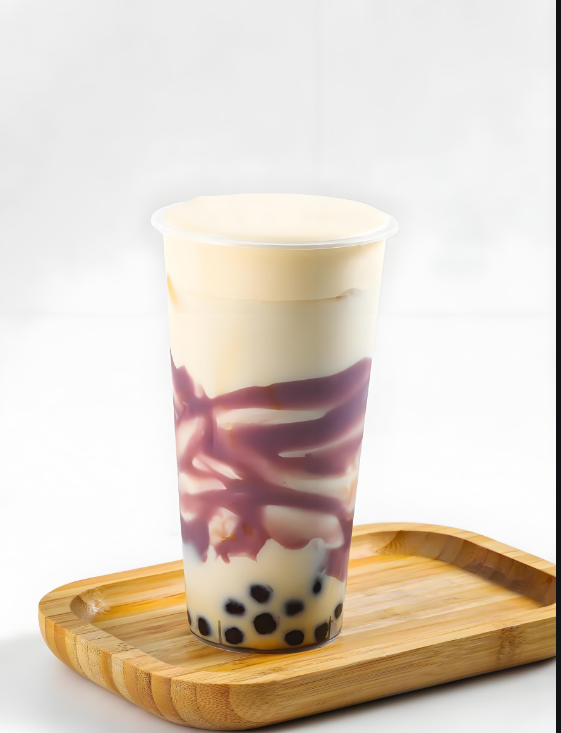
You can make taro boba at home with just a few steps. If you want to know how to make taro milk tea, grab your blender and get ready. Here’s a simple recipe:
- Put one cup of ice into your blender.
- Pour in one cup of milk. You can use regular milk or try almond, oat, or coconut milk.
- Add two tablespoons of sugar and two tablespoons of taro boba powder.
- Cover the lid and blend until smooth.
- Spoon two tablespoons of fresh boba pearls into your glass. Pour the smoothie mixture over the pearls.
You now have a creamy taro milk tea that tastes just like the ones from your favorite shop. Making taro milk tea at home costs about $0.65 per cup, so you save money and get more control over your bubble tea recipe.
How to Make Taro Smoothie
If you want a thicker, colder treat, try a taro smoothie. Start with the same steps as above, but use extra ice and blend longer. Some people add half-and-half or ube extract for a richer flavor. You can also blitz tea, ice, half-and-half, simple syrup, taro powder, and salt in a high-powered blender. Divide the fresh boba between two glasses and top with the smoothie. This recipe gives you a dessert-like drink with a chewy surprise.
Variations and Customization
You can change your taro boba recipe to fit your taste. Try non-dairy milks like almond, oat, or coconut. Swap sugar for honey or agave. Mix taro with matcha for a new flavor. Taro smoothies and iced taro milk tea are popular choices. Most taro boba drinks have low caffeine, unless you add black or green tea. Serve your smoothie with a wide straw for the best experience.
Tip: Making taro boba at home lets you experiment with every recipe and save money. You get fresh boba and a drink that matches your style.
You love taro milk tea for its sweet, nutty flavor and eye-catching purple color. Younger fans share photos of taro milk tea because it looks so cool. You can make taro milk tea at home with simple steps. Try different toppings and flavors. Check out this table for easy ways to customize:
| Base Ingredients | Add-On Options |
| Taro, Cream, Sugar, Milk | Regular Tapioca, Kiwi Popper, Lychee Jelly, Mango Jelly, Strawberry Jelly |
FAQ
Can you make taro smoothie boba without dairy?
Yes! You can use almond, oat, or coconut milk. These options taste great and work well if you do not want dairy.
Does taro smoothie boba have caffeine?
Most taro smoothie boba does not have caffeine. If you add tea, you will get a little caffeine. You can skip the tea for a caffeine-free drink.
What is the difference between taro smoothie boba and taro milk tea?
Taro smoothie boba is blended with ice for a thick, cold treat. Taro milk tea is smoother and served over ice, not blended.