


Ever tried a drink that feels like a treat and a snack all in one? Mochi milk tea brings you that experience. You get soft, chewy mochi bits floating in creamy milk tea. Each sip packs a mix of flavors and textures that make this dessert drink stand out from the usual boba options. Here’s what goes into your cup:
| Component | What It Adds |
| Glutinous rice flour | Chewy, soft texture—the heart of mochi |
| Tea and milk | Classic, rich flavors you love in milk tea |
| Sweeteners | Sweetness and a hint of brown sugar |
| Cornstarch | Keeps the mochi from sticking together |
| Fillings | Extra flavor, like red bean paste or even boba pearls |
Key Takeaways
- Mochi milk tea mixes chewy mochi and creamy milk tea. It gives you a special dessert drink.
- The main ingredients are glutinous rice flour for texture, black tea for taste, and sweeteners for balance.
- You can change your drink with flavors like matcha, taro, or brown sugar. You can also add things like boba pearls or red bean.
- Making mochi milk tea at home is easy. Just follow simple steps to make mochi and brew your favorite tea.
- Keep leftover mochi in a sealed container so it stays fresh. You can enjoy your drink with ice or warm.
Mochi Milk Tea Overview
What Is Mochi Milk Tea
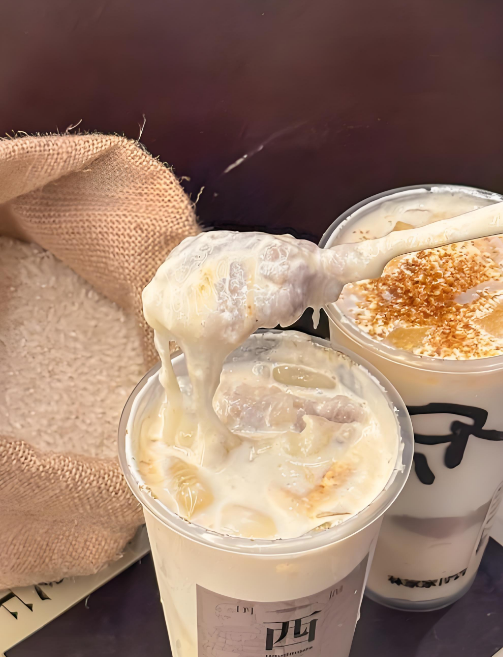
Imagine sipping a drink that feels like a dessert and a snack at the same time. Mochi milk tea gives you that fun experience. You get soft, chewy mochi pieces mixed right into your favorite milk tea. Every bite surprises you with a stretchy texture and a sweet, creamy taste.
Mochi milk tea stands out because it brings together two worlds. You have the classic flavors of milk tea, but you also get the playful chew of mochi. Sometimes, you might even find a tapioca pearl hidden inside the mochi. That adds a little extra surprise with every sip.
Here’s what makes mochi milk tea unique:
- You taste a fusion of textures and flavors. Chewy mochi meets smooth milk tea.
- Some mochi pieces have a tapioca pearl core. This gives you a double treat.
- The outside of the mochi feels soft and stretchy. It matches perfectly with the creamy milk tea filling.
Mochi milk tea did not just appear out of nowhere. Its story starts with mochi ice cream, which became popular in the United States in the 1990s. Japanese American entrepreneurs brought this treat to many people. At the same time, boba tea from Taiwan started to show up in the U.S. Both drinks grew in popularity and began to mix. Now, you see mochi milk tea with flavors like matcha, taro, and brown sugar. These flavors show how different cultures come together in one cup.
Mochi Milk Tea vs. Boba Milk Tea
You might wonder how mochi milk tea compares to boba milk tea. Both drinks look similar, but they feel very different when you take a sip.
Let’s break it down:
| Feature | Mochi Milk Tea | Boba Milk Tea |
| Main Add-In | Chewy mochi pieces (sometimes with boba inside) | Tapioca pearls (boba) |
| Texture | Soft, stretchy, and chewy | Bouncy, gummy, and round |
| Surprise Element | Mochi may hide a boba pearl inside | Boba pearls only |
| Flavor Experience | Creamy milk tea with mochi’s unique chew | Classic milk tea with boba’s familiar bounce |
| Cultural Influence | Mix of Japanese and Taiwanese dessert styles | Rooted in Taiwanese tea culture |
You notice the difference right away. Mochi milk tea gives you a soft, stretchy bite. Boba milk tea offers a firmer, bouncy chew. Mochi feels more like a dessert, while boba milk tea feels like a classic drink with a fun twist.
If you love trying new textures, mochi milk tea might become your new favorite. You get the best of both worlds—smooth milk tea and chewy mochi. Some shops even offer boba milk tea mochi, which means you get mochi with a boba pearl inside. That’s double the fun!
You can also find many flavors in both drinks. Mochi milk tea often comes in matcha, taro, or brown sugar. Boba milk tea mochi can have the same flavors, but the texture always sets them apart.
Tip: If you want a drink that feels like a snack, go for mochi milk tea. If you prefer a classic chewy add-in, stick with boba milk tea.
Main Ingredients
When you make mochi milk tea, you bring together a few special ingredients. Each one plays a big role in the taste and texture. Let’s break down what goes into your cup.
Glutinous Rice Flour (Shiratamako, Mochiko)
You can’t have mochi without glutinous rice flour. This flour gives mochi its famous chewy bite. You might see two main types: Shiratamako and Mochiko. Both work well, but they have small differences.
- Mochiko flour is a popular choice. It helps create that stretchy, soft texture you love in mochi.
- Shiratamako is another type. It’s made from short-grain glutinous rice and gives a smooth finish.
Both flours are high in carbohydrates, so they give you energy. They don’t have much protein or fat. If you want to see how they compare, check out this table:
| Nutrient | Shiratamako (per 100g) | Mochiko (per 100g) | Rice Flour (per 100g) |
| Calories | N/A | 356 kcal | 353 kcal |
| Carbohydrates | N/A | High | High |
| Protein | N/A | 5.7g | 6.8g |
| Fat | N/A | 0.5g | 1.5g |
| Vitamin B1 | 0.03mg | N/A | N/A |
| Calcium | 3mg | N/A | 10mg |
| Iron | 0.4mg | N/A | 0.8mg |
| Magnesium | 12mg | N/A | 35mg |
You should know that both Shiratamako and Mochiko are gluten-free. This makes them a good choice if you can’t eat gluten. Still, always check the package for cross-contamination warnings.
Tea and Milk Base
The heart of milk tea is, of course, the tea and milk. You have many options here. Black tea is the most common base. It gives a strong, rich flavor that stands up to the creamy milk and chewy mochi. Sometimes, you might see oolong or even herbal teas for a twist.
For the milk, you can pick what you like best. Cow’s milk is a classic. It has a neutral taste and makes the drink creamy. If you want something lighter, try semi-skimmed milk. Some people use heavy cream for an extra rich treat. Instant milk tea powder can also add flavor, especially in the cream filling for mochi.
Different milk and tea combos change the flavor. Cow’s milk works well with strong teas like Assam. Oolong tea tastes nice with lighter or dairy-free milks. If you want a tropical taste, try coconut milk with herbal teas. The fat in the milk makes the drink creamier, so whole milk or heavy cream gives you a richer cup.
Sweeteners and Thickeners
You can’t forget the sweet stuff. Sugar is the most common sweetener. Some recipes use brown sugar or maltose for a deeper flavor. These sweeteners help balance the strong tea and make the mochi taste even better.
Cornstarch is another key ingredient. You use it to keep the mochi from sticking together. It also helps thicken the mochi dough, so you get the perfect chewy bite.
Note: Some sweeteners and thickeners may contain allergens like eggs, milk, peanuts, soy, tree nuts, or wheat. If you have allergies or gluten sensitivities, check the label before you enjoy your drink. Some shops offer gluten-friendly options, but they can’t always guarantee a gluten-free kitchen.
Optional Add-ins (Boba, Alternative Milks)
You can make your drink even more fun with add-ins. Boba pearls are a classic choice. They add a bouncy texture that pairs well with the soft mochi. Some shops even put boba inside the mochi, creating a double surprise. This is what you find in boba milk tea mochi.
If you want to change up the milk, you have lots of choices. Here are some popular options:
- Whole milk
- Oat milk
- Almond milk
- 2% milk
- Skim milk
- Hokkaido milk
- Soy milk
- Organic milk
- Coconut milk
These alternative milks let you enjoy mochi milk tea even if you can’t have dairy. They also change the flavor and texture, so you can find your favorite combo. Oat milk gives a creamy feel, while almond milk adds a nutty taste. Coconut milk brings a tropical twist.
You can also add other toppings, like red bean paste or fruit jellies. Each one gives your drink a new flavor and texture. That’s what makes boba milk tea and boba milk tea mochi so much fun—you get to mix and match.
If you love trying new things, don’t be afraid to experiment with different ingredients. You might find a new favorite way to enjoy mochi milk tea.
Making Mochi Milk Tea
Ready to make mochi milk tea at home? You just need a few ingredients and some simple steps. Let’s break it down so you can enjoy every chewy sip.
Preparing Mochi
You start by making the mochi. This part gives your drink that soft, stretchy texture. Here’s a step-by-step guide:
- Mix glutinous rice flour, sugar, and cornstarch in a microwave-safe bowl.
- Pour black tea into the dry ingredients and whisk until smooth.
- Cover the bowl with cling wrap and microwave for 2 minutes on high.
- Uncover and stir the mixture.
- Microwave again for another 2 minutes. The dough should look semi-translucent.
- If it’s still milky, microwave at 1-minute intervals until cooked.
- Let the mochi cool enough to handle.
- Add vegetable oil and knead with gloved or oiled hands until smooth.
Tip: Use glutinous rice flour, not regular rice flour. Regular flour won’t give you the chewy texture you want in mochi milk tea.
Avoid these common mistakes:
- Don’t wrap fillings with hot dough. Let it cool first.
- Use just enough starch to prevent sticking.
- Keep the dough covered if you pause, so it doesn’t dry out.
Brewing Milk Tea
The milk tea base brings everything together. You can use black tea, oolong, or even herbal teas. Black tea works best for boba milk tea mochi because it adds a strong flavor.
- Brew your tea with hot water, but don’t overheat it. Too much heat makes the tea taste harsh.
- Warm your milk slightly before mixing. This helps the milk tea taste creamy and smooth.
- Adjust the temperature to keep the milk fresh and the flavor balanced.
Combining Ingredients
Now you get to combine everything. Here’s how you do it:
- Make a milk tea cream using heavy cream and instant milk tea powder. Sweeten with sugar.
- Add milk powder to the mochi batter for extra creaminess.
- Chill the mochi dough in the fridge for 10-15 minutes. This makes it easier to handle.
- Soak boba in brown sugar syrup for at least 10 minutes. This gives boba milk tea mochi a sweet kick.
- Shape the mochi around the filling. Use cornstarch to keep it from sticking.
- Serve on chilled plates to keep the mochi chewy.
Note: If you want to keep your mochi soft, wrap it tightly in plastic wrap and store it in the fridge. You can also freeze it for later.
With these steps, you can make mochi milk tea that tastes just like the ones from your favorite boba milk tea shop. Try different ingredients and flavors to find your perfect combo!

Serving Ideas and Variations
How to Serve Mochi Milk Tea
You can enjoy mochi milk tea in many fun ways. Try serving it in a tall glass so you can see the mochi pieces floating in the milk tea. Use a wide straw to sip up both the drink and the chewy mochi. Some people like to add ice for a cold treat, while others prefer it warm. If you want to impress your friends, layer the milk tea and mochi for a pretty look. You can even top your drink with whipped cream or a sprinkle of matcha powder.
Tip: Serve boba milk tea mochi on the side for a snack that matches your drink!
Popular Flavors and Add-ins
You have so many choices when it comes to flavors. Classic black milk tea is always a hit, but you can also try matcha, taro, or brown sugar. Some shops offer strawberry or mango milk tea for a fruity twist. For add-ins, boba pearls are the most popular. You can also add red bean, pudding, or fruit jellies. Mochi with a boba milk tea mochi filling gives you a double surprise—chewy outside and a bouncy boba center. Try mixing different flavors and toppings to find your favorite combo.
Here’s a quick table of popular add-ins:
| Add-in | Texture | Flavor Boost |
| Boba pearls | Bouncy | Sweet, caramel |
| Red bean | Soft, creamy | Earthy, sweet |
| Fruit jellies | Wobbly | Fruity, tangy |
| Pudding | Silky | Rich, smooth |
Storage Tips
You want to keep your mochi and boba milk tea fresh. Store leftover mochi in an airtight container at room temperature for one day. If you need to keep it longer, put it in the fridge, but eat it soon because mochi can get hard. For boba milk tea mochi, wrap each piece in plastic wrap to keep it soft. If you have extra milk tea, store it in the fridge and shake well before serving. Always add fresh ice and mochi when you’re ready to drink.
Note: Mochi tastes best when it’s fresh and chewy. Don’t wait too long to enjoy your treat!
You now know what makes mochi milk tea so special. It blends chewy mochi with creamy milk tea for a treat that’s both a drink and a snack. Here’s a quick look at the main ingredients:
| Ingredient | Description |
| Glutinous rice flour | Gives mochi its chewy texture |
| Black tea | Adds bold flavor |
| Granulated sugar | Sweetens the dough and cream |
| Cornstarch | Softens the mochi |
| Heavy cream | Makes the filling rich |
| Instant boba | Adds extra fun and texture |
You can find most of these at Asian grocery stores or online. Why not try making your own mochi milk tea? Mix up the flavors, add your favorite toppings, and enjoy a new twist on a classic drink!
FAQ
What does mochi milk tea taste like?
You get a creamy, sweet drink with chewy mochi pieces. The tea gives a rich flavor, while the mochi adds a soft, stretchy bite. Every sip feels like a dessert and a snack together!
Can you make mochi milk tea without dairy?
Yes! You can use oat milk, almond milk, or coconut milk. These options taste great and work well if you want a dairy-free treat.
How do you keep mochi from getting hard?
Tip: Store mochi in an airtight container at room temperature for one day. If you put it in the fridge, eat it soon. Mochi tastes best when it’s fresh and soft.
Is mochi milk tea gluten-free?
Most mochi uses glutinous rice flour, which is gluten-free. Always check the label for cross-contamination if you have allergies.
Can you use other teas besides black tea?
Absolutely! Try green tea, matcha, or oolong for a new twist. Each tea gives your drink a different flavor and color.