


Introduction: The Rising Popularity of Lemon Fruit Tea
Lemon fruit tea has emerged as one of the most refreshing and versatile beverages in the tea industry, capturing the taste buds of consumers worldwide. With its perfect balance of tartness and sweetness, this drink offers wholesale tea companies and bubble tea shops a profitable opportunity to expand their menu offerings. According to recent market analysis, fruit-infused teas have seen a 35% growth in popularity over the past three years, with lemon-based variations leading the trend.
At Bubble Tea Suppliers, we understand the commercial potential of this simple yet sophisticated drink. This comprehensive guide will explore professional lemon fruit tea recipes, commercial adaptations, and the business advantages of incorporating this beverage into your product lineup.
The Anatomy of Perfect Lemon Fruit Tea
Understanding the Core Components
The foundation of exceptional lemon fruit tea lies in four essential elements:
Tea Base Quality: The choice of tea significantly impacts the final flavor profile. While black tea is traditional, green tea, white tea, and oolong each create distinct variations that cater to different customer preferences.
Lemon Selection and Preparation: Not all lemons are created equal. Meyer lemons offer a sweeter, less acidic profile, while Eureka and Lisbon varieties provide the classic tart punch. The preparation method—whether using fresh juice, zest, or infused slices—affects both flavor intensity and visual appeal.
Sweetener Dynamics: The sweetener balances the lemon’s acidity. Options range from simple syrup and honey to agave nectar and specialized liquid sweeteners designed for commercial use.
Complementary Flavors: Additional fruit elements like berries, peach, or mint can create signature variations that distinguish your offering from competitors.
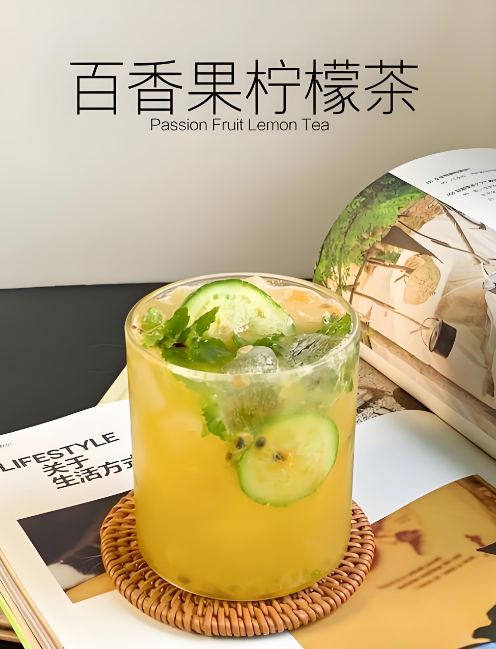
Professional-Grade Lemon Fruit Tea Recipe
Here’s a scalable recipe suitable for commercial adaptation:
Yield: 1 gallon (serves approximately 16-20 customers)
Ingredients:
8-10 tablespoons of premium loose-leaf black tea (or equivalent in tea bags)
1 gallon filtered water at 200°F (93°C)
1.5 cups fresh lemon juice (approximately 12-15 medium lemons)
Lemon zest from 4 lemons
1-1.5 cups simple syrup (adjust to taste)
Thin lemon slices for garnish
Optional: 1/4 cup of secondary fruit puree (strawberry, peach, or blueberry)
Brewing Method:
Steep the tea in hot water for 3-5 minutes (depending on desired strength)
Strain immediately to prevent bitterness
While still warm, add lemon zest and allow to infuse for 10 minutes
Remove zest, then stir in lemon juice and sweetener
Cool rapidly to serving temperature (below 40°F/4°C for food safety)
Add fruit puree if using, and mix thoroughly
Serve over ice with lemon slice garnish
Pro Tip: For clearer tea and better mouthfeel, consider cold-brewing your tea base. This method reduces bitterness and creates a smoother foundation for your lemon fruit tea.
Commercial Adaptations for Different Business Models
For Tea Wholesale Companies
As a wholesale supplier, your clients seek consistency, scalability, and unique value propositions. Consider developing:
Pre-blended Lemon Fruit Tea Mixes: Create balanced dry mixes that only require water addition. This simplifies operations for cafes with limited staff training.
Concentrated Lemon Tea Bases: Develop shelf-stable concentrates that maintain flavor integrity. According to industry reports, concentrates represent a $2.3 billion market with annual growth of 4.2%.
Customizable Tea Blends: Offer modular systems where clients can combine your premium tea leaves with measured lemon crystals or natural lemon powder.
Seasonal Variations: Develop limited-edition blends like “Winter Spiced Lemon Tea” or “Summer Berry Lemon Fusion” to help clients drive repeat business.
For Bubble Tea and Specialty Tea Shops
Bubble tea shops can leverage lemon fruit tea in multiple profitable ways:
Signature Lemon Tea Series: Develop a tiered menu with options ranging from classic lemon black tea to premium versions featuring rare tea bases like Silver Needle white tea.
Lemon Fruit Tea with Toppings: Adapt the beverage for bubble tea by adding tapioca pearls, fruit jellies, or popping boba. The acidity of lemon pairs exceptionally well with sweeter toppings.
Healthy Positioning: Market lemon fruit tea as a vitamin C-rich, antioxidant beverage. Consider creating a “Detox Lemon Ginger Tea” or “Immunity Boost” variation.
Dairy-Free Alternative: With 39% of consumers seeking dairy-free options, lemon fruit tea naturally fits this demand without requiring special substitutions.
Equipment and Operational Considerations
Essential Commercial Equipment
Investing in proper equipment ensures consistency and efficiency:
Commercial Tea Brewers: Automated systems maintain precise temperature and steep time, crucial for large-volume production.
Citrus Juicers: Electric juicers significantly reduce labor time. Industrial models can process up to 50 pounds of lemons per hour.
Rapid Cooling Systems: Blast chillers or ice bath methods prevent bacterial growth during the critical cooling phase.
Portion-Control Dispensers: For multi-location operations, calibrated dispensers ensure every location delivers identical flavor profiles.
Cost Analysis and Profit Margins
Lemon fruit tea offers exceptional profit potential. Based on current market prices:
Cost per 16oz serving: Approximately $0.35-$0.50 for ingredients
Average selling price: $3.50-$5.00 (higher for premium versions)
Gross margin: 85-90%
Comparative advantage: 15-20% higher margins than dairy-based tea beverages
Seasonal fluctuations in lemon pricing can be mitigated by developing relationships with citrus suppliers or considering high-quality lemon concentrates during off-seasons.
Marketing Lemon Fruit Tea to Modern Consumers
Health and Wellness Positioning
Capitalize on growing health consciousness with these angles:
Antioxidant Rich: Highlight tea flavonoids and vitamin C content. Studies show lemon tea contains 29mg of vitamin C per serving, approximately 32% of daily requirements.
Low-Calorie Alternative: A 16oz unsweetened version contains only 2-5 calories, appealing to health-conscious consumers.
Digestive Benefits: Promote the traditional use of lemon tea for digestion, particularly after meals.
Seasonal Marketing Strategies
Summer Refreshment: Position as the ultimate thirst-quencher with campaigns like “Beat the Heat with Icy Lemon Tea.”
Winter Wellness: Market hot versions with added ginger and honey as immune-supporting beverages during cold months.
Year-Round Appeal: Create limited-time offerings like “Spring Blossom Lemon Tea” with edible flowers or “Autumn Spice” variations.
Social Media and Visual Appeal
Lemon fruit tea’s bright color and clean presentation make it inherently photogenic:
Instagram-Worthy Presentations: Invest in clear, elegant glassware and garnishes like mint sprigs, lemon twists, or edible flowers.
Behind-the-Scenes Content: Share videos of fresh lemons being squeezed or tea being brewed to emphasize quality ingredients.
User-Generated Campaigns: Encourage customers to share their lemon tea moments with branded hashtags.
Sourcing Quality Ingredients at Scale
Partnering with Reliable Suppliers
Consistent quality requires dependable sourcing:
Tea Selection: Consider origin-specific teas like Ceylon for bright, citrusy notes or Darjeeling for muscatel complexity. Bubble Tea Suppliers offers a range of commercial-grade teas suitable for lemon infusions.
Lemon Procurement: Establish relationships with citrus growers for consistent quality. Consider dual sourcing (fresh and premium frozen/concentrated) to manage supply chain disruptions.
Specialty Ingredients: Source unique add-ons like organic lemongrass, Meyer lemons, or yuzu juice for premium variations.
Storage and Shelf Life Management
Brewed tea: 3-5 days refrigerated at ≤40°F (4°C)
Fresh lemon juice: 2-3 days refrigerated (consider daily juicing for optimal flavor)
Dry tea leaves: 6-12 months in airtight containers away from light and moisture
Simple syrup: 1 month refrigerated
Implement FIFO (first in, first out) systems and clear labeling to maintain quality.
Innovation and Menu Development
Creating Signature Variations
Differentiate your lemon fruit tea with these innovative approaches:
Smoked Lemon Tea: Use lightly smoked tea leaves or add a hint of lapsang souchong for depth.
Herbal Infusions: Blend with basil, thyme, or rosemary for savory-leaning variations gaining popularity in foodservice.
Sparkling Lemon Tea: Add carbonation for a refreshing alternative to sugary sodas.
Alcohol-Infused Versions: For appropriate venues, consider tea cocktails like “Lemon Tea Gin Fizz” or “Earl Grey Lemon Spritzer.”
Pairing with Food Menus
Lemon fruit tea complements various cuisines:
Asian dishes: Cuts through rich, spicy flavors
Salads and light fare: Enhances without overwhelming delicate flavors
Desserts: Balances sweetness, particularly with berry-based pastries
Sustainability and Ethical Considerations

Modern consumers increasingly value sustainable practices:
Lemon Repurposing: Use leftover lemon peels for garnishes, simple syrup infusions, or natural cleaning solutions.
Compostable Packaging: Offer lemon tea in plant-based cups with compostable lids.
Local Sourcing: Whenever possible, source lemons from regional growers to reduce carbon footprint.
Water Conservation: Implement water-saving practices in equipment cleaning procedures.
Conclusion: The Business Case for Lemon Fruit Tea
Lemon fruit tea represents more than just another menu item—it’s a versatile, profitable, and increasingly popular beverage that meets multiple consumer demands. Its simplicity in preparation belies its complexity of potential variations, making it equally suitable for a basic cafe offering or a specialty tea shop’s signature drink.
For wholesale companies, developing lemon tea products creates additional revenue streams with relatively low production complexity. For retail tea shops, it offers high margins, visual appeal, and easy customization potential.
As consumer preferences continue evolving toward refreshing, healthier, and Instagram-worthy beverages, lemon fruit tea positions businesses at the intersection of multiple trends. Its timeless appeal ensures it won’t be a passing fad but rather a staple that can be continually reinvented.
Ready to explore commercial tea solutions for your lemon fruit tea offerings? Visit Bubble Tea Suppliers for premium ingredients, equipment, and formulation support tailored to businesses of all sizes. From sourcing the perfect tea base to scaling your recipes for volume production, our expertise helps you transform this classic beverage into a consistent profit center.
Whether you’re introducing your first lemon fruit tea or refining an existing recipe, the combination of quality ingredients, proper technique, and creative marketing will ensure this versatile beverage delights your customers and enhances your bottom line.
For further recipe inspiration and technical guidance, explore these resources:
The Science of Tea Extraction
Citrus Preparation Techniques for Beverage Businesses
Profit Margin Optimization in Specialty Beverages