


Introduction: The Rising Star of Specialty Beverages
In the ever-evolving world of specialty drinks, a fascinating hybrid has emerged that’s captivating taste buds across the globe: coffee milk tea. This innovative beverage combines the rich, bold flavors of coffee with the creamy, aromatic qualities of milk tea, creating a unique profile that appeals to both coffee enthusiasts and tea lovers. For businesses in the tea wholesale industry, cafes, and bubble tea shops, understanding this trend represents a significant opportunity to expand offerings and attract new customers.
Coffee milk tea isn’t just a passing fad—it’s part of a larger movement toward fusion beverages that break traditional category boundaries. As consumer preferences shift toward more adventurous and personalized drink experiences, this versatile beverage offers multiple avenues for product development and marketing. Whether you’re a tea supplier looking to expand your catalog or a bubble tea shop seeking to diversify your menu, coffee milk tea deserves serious consideration.
What Exactly is Coffee Milk Tea?
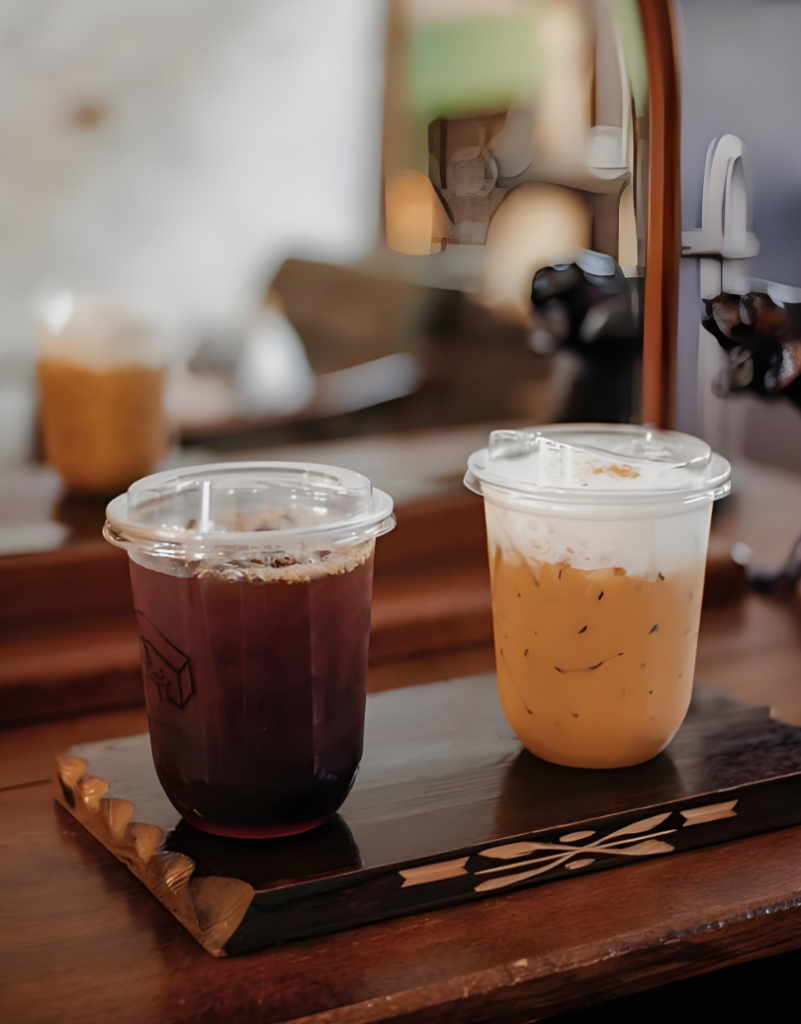
At its core, coffee milk tea is exactly what the name suggests: a harmonious blend of coffee and tea, typically combined with milk and sweetener. The drink exists in various forms across different cultures, from the “Yuanyang” (coffee with tea) popular in Hong Kong and Malaysia to modern specialty versions found in trendy urban cafes worldwide.
The traditional Hong Kong-style coffee milk tea, known as “Yuanyang” or “Yin-Yang,” typically combines three parts coffee to seven parts Hong Kong-style milk tea, creating a balanced beverage where neither flavor dominates. Meanwhile, contemporary variations might include espresso shots with Earl Grey tea lattes, cold brew coffee with jasmine tea, or even coffee-based bubble teas with tapioca pearls.
For those interested in the cultural origins and variations of this beverage, this comprehensive guide to coffee tea hybrids provides excellent background information on how different cultures have approached combining these two beloved beverages.
The Market Opportunity: Why Coffee Milk Tea Matters for Your Business
- Expanding Your Customer Base
Coffee milk tea naturally appeals to two substantial consumer groups: coffee drinkers and tea enthusiasts. By offering this hybrid, you effectively create a bridge between these markets, potentially attracting customers who might not typically visit your establishment. For tea-focused businesses, it’s an opportunity to draw in the morning coffee crowd. For coffee shops, it offers a novel afternoon option that differs from standard tea offerings. - Higher Price Points and Profit Margins
Specialty fusion beverages typically command premium pricing. The perceived novelty and complexity of coffee milk tea allows for pricing 20-30% above standard coffee or tea drinks, potentially increasing your average transaction value and overall profitability. - Social Media Appeal
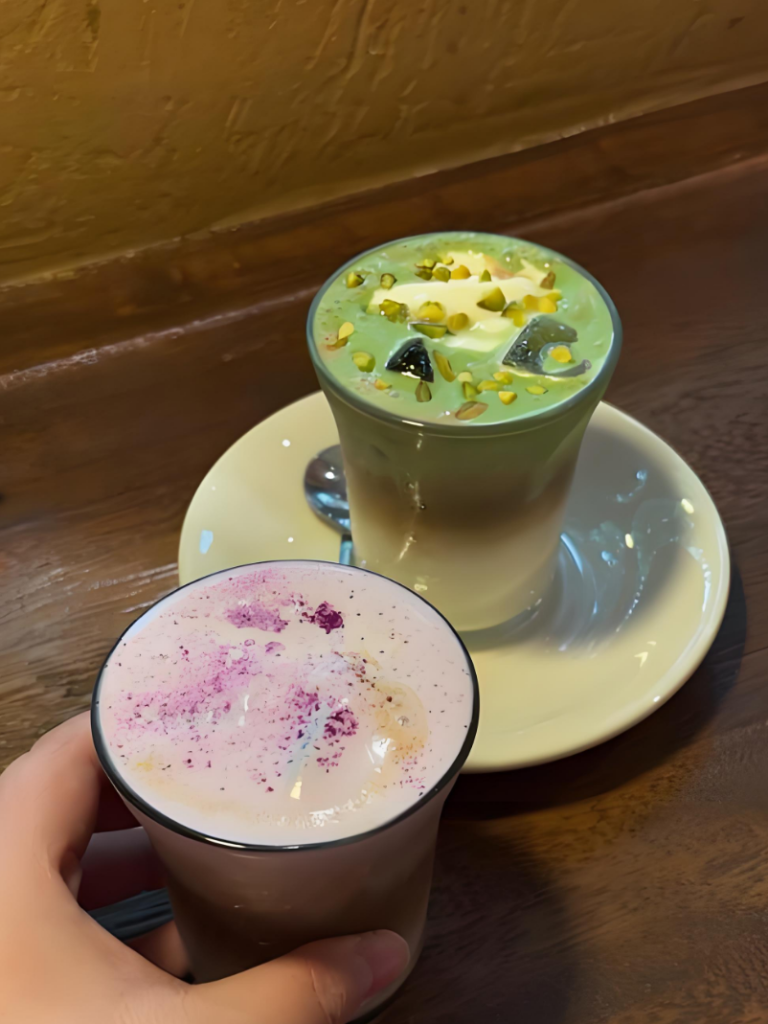
Visually appealing and conceptually interesting beverages like coffee milk tea are highly shareable on platforms like Instagram and TikTok. The unique layered appearance when properly prepared, combined with the intriguing concept, makes for compelling content that can generate organic marketing for your business. - Versatility Across Dayparts
Unlike some beverages that are limited to specific times of day, coffee milk tea works throughout the day. The tea component makes it suitable for afternoon consumption, while the coffee element maintains morning relevance. This versatility can help smooth out daily sales fluctuations.
Crafting the Perfect Coffee Milk Tea: Technical Considerations
Selecting Your Base Ingredients
The quality of your coffee milk tea depends fundamentally on the components you choose:
Coffee Selection:
Espresso: Provides intense flavor and works well in hot versions
Cold Brew: Offers smoothness with lower acidity, ideal for iced preparations
Concentrated Coffee: A practical option for high-volume operations
Specialty Single-Origin: Can be marketed as a premium option
Tea Considerations:
Black Teas: Assam, Ceylon, and English Breakfast provide robust bases
Earl Grey: Adds citrus notes that complement coffee’s bitterness
Hong Kong-Style Tea Blends: Traditionally use several black tea varieties
Specialty Teas: Matcha, hojicha, or smoked teas create unique variations
Dairy and Alternatives:
Evaporated or condensed milk (traditional)
Whole milk or cream
Plant-based alternatives (oat, almond, soy)
Non-dairy creamers
For businesses sourcing quality tea bases, our premium tea selections offer various options suitable for coffee milk tea applications.
Balancing Flavors: The Art of Proportion
The magic of coffee milk tea lies in the balance. Too much coffee overwhelms the tea; too much tea makes the coffee unnoticeable. Traditional recipes often use a 3:7 coffee-to-tea ratio, but modern interpretations vary based on the specific ingredients and target flavor profile.
Consider these approaches:
Equal intensity blends: Use equally strong coffee and tea preparations
Layered approach: Create distinct coffee and tea layers that mix as consumed
Infusion method: Steep tea in freshly brewed coffee for deeper integration
Separate preparation: Mix individually brewed components to order
Sweetness and Customization
The sweetness level significantly impacts the final experience. Traditional versions often use sweetened condensed milk, while contemporary versions might offer:
Simple syrup
Brown sugar
Honey or agave
Flavored syrups (vanilla, caramel, hazelnut)
Adjustable sweetness levels to cater to modern preferences
Menu Integration Strategies for Different Business Types
For Bubble Tea Shops
Coffee Bubble Tea: Incorporate coffee into your existing bubble tea framework
Coffee Jelly Additions: Use coffee-flavored jelly instead of or alongside traditional pearls
Layered Specialty Drinks: Create visually striking layered beverages
Seasonal Specials: Pumpkin spice coffee milk tea, peppermint mocha tea, etc.
For Tea Wholesalers and Suppliers
Create Coffee-Compatible Blends: Develop and market tea blends specifically designed to pair well with coffee
Offer Starter Kits: Provide coffee milk tea ingredient bundles for cafes
Educational Resources: Teach clients how to properly prepare and market these beverages
Private Label Options: Allow cafes to brand their own custom coffee tea blends
For Traditional Cafes
Dual-Purpose Additions: Introduce coffee milk tea as a bridge between your coffee and tea offerings
Barista Training: Develop specific preparation techniques
Pairing Suggestions: Recommend food items that complement the beverage
Signature Versions: Create a unique house specialty
Marketing Your Coffee Milk Tea Offerings
Storytelling and Education
Consumers love understanding what makes a product special. Develop narratives around:
The cultural heritage of coffee-tea hybrids
Your specific sourcing and preparation methods
The unique characteristics of your particular blend
Customer testimonials and experiences
Tasting Events and Promotions
Host coffee milk tea tasting flights
Offer “build your own” coffee tea blend stations
Create limited-time specialty versions
Implement loyalty program incentives for trying new variations
Digital Marketing Approaches
Video content showing the preparation process
Behind-the-scenes looks at ingredient sourcing
User-generated content campaigns with specific hashtags
Educational blog content about coffee and tea pairings
Operational Considerations and Best Practices
Equipment Needs
Depending on your preparation method, you may need:
Additional brewing equipment (both coffee and tea)
Specialized shaking or layering tools
Appropriate serving vessels that showcase the beverage
Staff Training
Proper preparation requires specific knowledge:
Brewing parameters for both components
Layering techniques for visual appeal
Flavor balancing principles
Customization options and recommendations
Inventory Management
Monitor usage rates of both coffee and tea components
Consider shelf life differences between ingredients
Develop pars based on sales data
Establish relationships with reliable suppliers for consistent quality
Beyond the Basics: Innovative Variations and Future Trends
Global Inspirations
Thai Coffee Tea: Strong coffee with sweetened condensed milk and Thai tea
Vietnamese Cà Phê Sữa with Tea: Combining Vietnamese coffee with various teas
Indian Filter Coffee with Chai Elements: South Indian coffee meets masala chai spices
Seasonal and Specialty Versions
Dalgona Coffee Tea: Whipped coffee topping on milk tea
Affogato-Style: Tea served with a shot of espresso poured tableside
Alcohol-Infused: Incorporating liqueurs for evening service
Health-Conscious Adaptations
Low-caffeine versions using decaf components
Sugar-free and keto-friendly formulations
Functional ingredient additions (adaptogens, collagen, etc.)
Sourcing Quality Ingredients for Consistency
The success of your coffee milk tea program depends significantly on ingredient quality and consistency. As with any signature beverage, maintaining reliable standards requires attention to sourcing:
Tea Selection: Choose teas that can stand up to coffee’s boldness without becoming astringent
Coffee Quality: Even in a mixed beverage, poor coffee quality will be noticeable
Dairy Alternatives: Source barista-formulated versions that perform well in mixed drinks
Sweeteners: Consider flavor contributions beyond just sweetness
For businesses looking to source premium tea bases specifically suited for coffee milk tea applications, our specialty tea collections offer several options designed to complement rather than compete with coffee notes.
Conclusion: Embracing the Hybrid Beverage Revolution
Coffee milk tea represents more than just another menu item—it’s a symbol of the ongoing innovation in the beverage industry. As consumer palates become more adventurous and boundaries between beverage categories continue to blur, offerings that successfully bridge traditional divides will likely see growing demand.
For tea wholesalers, this trend presents an opportunity to expand into adjacent markets while deepening relationships with existing clients. For cafes and bubble tea shops, it offers a way to differentiate from competitors, increase average transaction values, and attract new customer segments.
The key to success with coffee milk tea lies in respecting both component traditions while embracing innovation. By focusing on quality ingredients, proper preparation techniques, and creative marketing, businesses can turn this intriguing hybrid into a profitable staple that delights customers and drives growth.
As the beverage landscape continues to evolve, those who adapt to emerging trends while maintaining quality standards will be best positioned to thrive. Coffee milk tea, with its unique appeal and versatility, represents a particularly promising opportunity in this dynamic environment.
Ready to explore coffee milk tea for your business? Visit our specialty tea sourcing page to discover premium tea selections specifically curated for innovative beverage applications. Our team can help you identify the perfect bases for your coffee tea creations and provide guidance on implementation and marketing strategies tailored to your specific business needs.