


If you are a bubble tea lover, you already know that the soul of any great milk tea is the chewy tapioca pearl. These little black pearls—soft on the outside, springy on the inside—create the iconic bouncy mouthfeel that defines bubble tea culture worldwide. Whether you run a boba shop, work in the beverage industry, or simply love making bubble tea at home, understanding chewy tapioca pearls will help you create consistently delicious drinks.
In this comprehensive guide, we explore the origins, texture science, cooking techniques, shelf life, trending flavors, and tips for sourcing high-quality pearls. We will also discuss how chewy tapioca pearls influence consumer preference in the global bubble tea market. And for businesses looking for reliable suppliers, we will include a helpful link to a trusted wholesale resource:
�� https://bubbleteasuppliers.com/bubble-tea/
Let’s dive in!
What Are Chewy Tapioca Pearls?
Chewy tapioca pearls—often called “boba,” “QQ pearls,” or simply “tapioca”—are made from tapioca starch extracted from the cassava root. Cassava is naturally gluten-free, making tapioca pearls accessible for most consumers with dietary restrictions.
Traditional pearls contain:
Tapioca starch
Water
Brown sugar or caramel coloring
Sometimes guar gum or starch modifiers (depending on brand)
The natural flavor of plain tapioca pearls is mild and slightly sweet. Yet their biggest appeal is the chewy, irresistible texture that contrasts perfectly with milk tea, fruit tea, matcha drinks, or iced beverages.
Why “Chewy” Texture Matters: The Science Behind QQ Boba
In Taiwanese culinary culture, “QQ” describes a bouncy, elastic, pleasantly chewy texture—not too soft, not too hard. This texture is highly valued in many Asian snacks such as fish balls, taro balls, and of course, tapioca pearls.
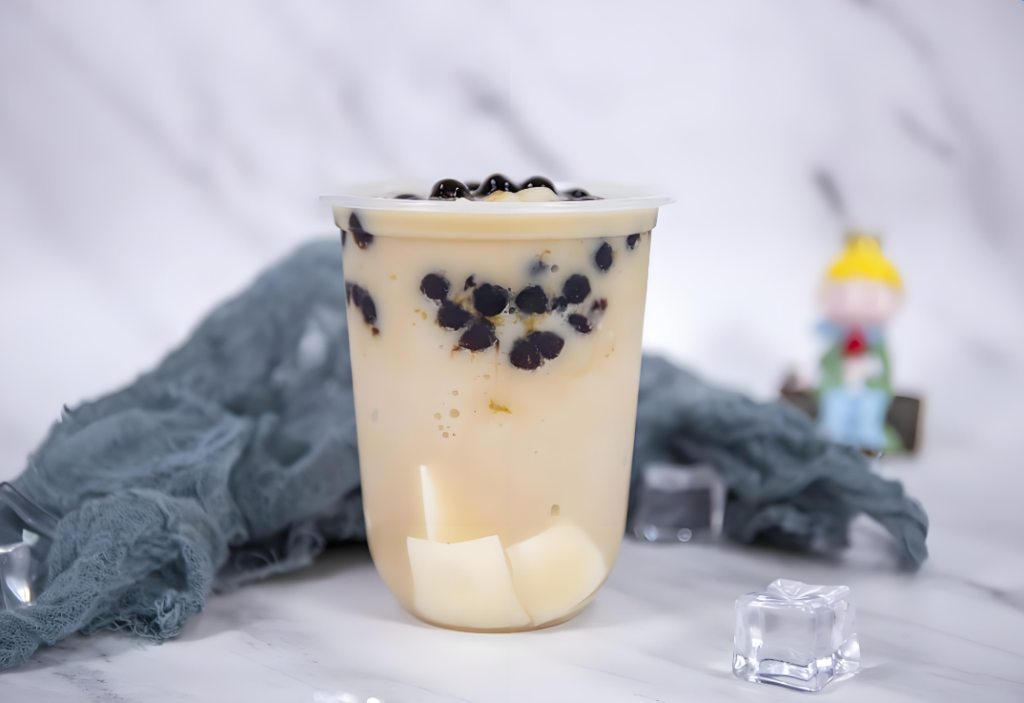
What gives chewy tapioca pearls their iconic texture?
1. Gelatinization
When tapioca starch is heated in boiling water, its starch granules absorb water and expand. This creates a soft, gel-like outer layer.
2. Retrogradation
As the cooked pearl cools slightly, starch molecules arrange into a tighter structure. This produces elasticity and chewiness.
3. Moisture Balance
A perfectly cooked pearl has:
A soft shell
A chewy center
A slightly sweet, caramel aroma
If pearls are overcooked, they become mushy.
If they are undercooked, the center remains chalky or hard.
Achieving the ideal chew is what separates beginner boba makers from professionals.
A Brief History of Tapioca Pearls and Bubble Tea
Bubble tea originated in Taiwan in the 1980s, and the earliest versions used small, white tapioca balls. Later, brown sugar coloring was added to create the now-iconic black pearls.
Over the past decade, bubble tea has grown into a global industry worth billions, and the chewy tapioca pearl remains the heart of its appeal. Whether you are in the U.S., Canada, Dubai, Singapore, or Europe, customers consistently rank texture as the top decision factor when choosing a bubble tea shop.
Different Types of Tapioca Pearls
Today’s bubble tea market offers diverse pearl varieties designed for different beverages and shop workflows.
1. Traditional Raw Tapioca Pearls
Require long cooking (40–60 minutes)
Best flavor and chewiness
Most popular for premium stores
2. Quick-Cooking Tapioca Pearls
Cook in 5–10 minutes
Great for high-volume shops
Consistent texture with less labor
3. Instant Tapioca Pearls
Fully cooked but dehydrated
Ready in 30 seconds
Ideal for home use or limited-equipment shops
4. Brown Sugar Tapioca Pearls
Infused with brown sugar syrup
Offer a richer, caramel-like taste
Essential for brown sugar milk tea trends
5. Flavored Tapioca Pearls
Available in varieties such as:
Matcha
Strawberry
Mango
Coffee
Honey
These pearls add aroma and color, creating a unique experience for customers.
How to Cook Chewy Tapioca Pearls (Step-by-Step Guide)
Cooking pearls properly transforms them from chalky starch balls into chewy delights. Although brands vary, the following method works for most raw tapioca pearls.
Step 1: Boil Water
Use at least 8–10 cups of water per 1 cup of pearls.
A high water ratio prevents pearls from sticking.
Step 2: Add the Tapioca Pearls
Once the water is at a full rolling boil, pour in the pearls and gently stir.
Step 3: Cook for 20–30 Minutes
Let pearls float and continue boiling. Stir occasionally to prevent sticking.
Step 4: Simmer for 20–30 Minutes
After boiling, lower the heat and let pearls simmer until the centers are translucent and chewy.
Step 5: Rest for 15 Minutes
Let the pearls sit covered. This improves texture and allows the starch to stabilize.
Step 6: Rinse and Soak in Sugar Syrup
Rinse in cool water to remove excess starch, then soak in:
Brown sugar syrup
Honey
Fructose
This step enhances flavor and keeps pearls soft for hours.
Common Mistakes When Making Tapioca Pearls
Even experienced bubble tea makers encounter challenges. Here are common mistakes to avoid:
1. Not using enough water
Pearls stick to each other, causing uneven cooking.
2. Adding pearls before water boils
Leads to disintegration and mushy texture.
3. Cooking too long
Turns pearls mushy and too soft.
4. Not resting the pearls
Skips an essential step for texture improvement.
5. Leaving pearls out too long
Cooked pearls last only 4 hours at room temperature for peak chewiness.
How to Maintain Chewy Texture in a Bubble Tea Shop
For commercial shops, maintaining texture consistency is crucial.
1. Prepare pearls in small batches
Freshness is key. Avoid cooking too much at once.
2. Keep pearls in warm syrup
Heat maintains elasticity and reduces hardening.
3. Follow strict 4-hour pearl guidelines
After four hours, pearls lose chewiness, affecting customer satisfaction.
4. Use quality pearls from reliable suppliers
Cheap pearls often break apart or turn mushy.
If you need trusted suppliers for chewy tapioca pearls and other bubble tea ingredients, visit:
�� https://bubbleteasuppliers.com/bubble-tea/
Popular Drinks That Use Chewy Tapioca Pearls
Tapioca pearls pair well with a wide range of beverages. Here are popular global favorites:
1. Classic Milk Tea
The original bubble tea—black tea + milk + chewy tapioca pearl.
2. Brown Sugar Milk Tea
Warm brown sugar syrup gives pearls a caramel taste.
3. Matcha Milk Tea
Matcha’s bitterness balances the sweetness of chewy pearls.
4. Fruit Teas with Tapioca
Peach oolong, passion fruit green tea, or mango black tea.
5. Thai Milk Tea
Rich, bold, and perfect with extra-chewy pearls.
6. Winter Melon Milk Tea
A lighter option with unique herbal sweetness.
Why Do Customers Love Chewy Tapioca Pearls So Much?
Bubble tea is not just a drink—it is an experience. The chewy texture transforms the beverage into a playful ritual:
Sip tea
Bite chewy pearl
Feel the bounce
Repeat
The contrast of soft, creamy tea and bouncy pearls creates a satisfying cycle of flavors and textures.
Additionally:
Chewy textures trigger sensory enjoyment
They slow down drinking speed, prolonging the experience
They create nostalgia for Asian consumers
They create novelty for Western consumers
In short, chewy tapioca pearls make bubble tea fun.
How Chewy Tapioca Pearls Influence the Bubble Tea Market
The bubble tea market has exploded across:
North America
Europe
Middle East (Dubai, Saudi Arabia)
Southeast Asia
Australia
One factor driving this growth is consumer fascination with texture. Younger generations—especially Gen Z—actively seek texture-rich foods, including:
Mochi
Jelly
Popping boba
Cheese foam
Crystal boba
But among these, chewy tapioca pearl remains the king—the element that defines bubble tea identity.
According to industry surveys, over 70% of bubble tea consumers say they wouldn’t order milk tea without pearls.
Trends in Tapioca Pearl Innovation
To keep up with global demand, suppliers continue innovating. Some current trends include:
1. Colored Tapioca Pearls
Pink, matcha green, purple taro, or golden pearls for social media appeal.
2. Mini Tapioca Pearls
Faster cooking and easier sipping.
3. Giant Tapioca Pearls
A trend in Japan and Southeast Asia, offering a unique bite.
4. Pre-Sweetened Pearls
Flavored syrups eliminate prep time in shops.
5. Frozen Ready-to-Use Pearls
Ideal for franchises or delivery-based drink shops.

For sourcing these innovative pearls, visit:
�� https://bubbleteasuppliers.com/bubble-tea/
How to Choose High-Quality Chewy Tapioca Pearls
Not all pearls are equal. Here’s how to evaluate quality:
1. Appearance
Uniform size
Smooth surface
Minimal broken pieces
2. Cooking Performance
Good pearls:
Maintain shape during boiling
Do not dissolve
Achieve chewiness without turning mushy
3. Flavor
High-quality pearls carry a mild sweetness and caramel aroma.
4. Texture
The perfect pearl balances softness and elasticity.
5. Shelf Stability
For commercial use, pearls should store well and resist humidity.
Reliable sourcing ensures consistent results. Explore professional suppliers here:
�� https://bubbleteasuppliers.com/bubble-tea/
Chewy Tapioca Pearl for Home Bubble Tea Enthusiasts
You don’t need to run a tea shop to enjoy them! At home, you can create:
Milk tea
Brown sugar pearls
Taro milk
Coffee milk tea
DIY fruit tea with chewy pearls
Cooking pearls at home also allows experimentation with sweetness levels and textures.
Can You Make Homemade Tapioca Pearls?
Yes—although it takes time and practice. Homemade pearls use:
Tapioca starch
Boiling water
Brown sugar syrup
The challenge is forming the dough into perfectly round balls before it dries. Most people prefer buying factory-made pearls for consistency. But homemade pearls allow full customization of flavor and color.
Pairing Chewy Tapioca Pearls with Other Toppings
Chewy tapioca pearls pair well with:
Grass jelly
Lychee jelly
Crystal boba
Pudding
Red beans
Cheese foam
Multi-layer toppings increase the complexity and enjoyment of bubble tea.
The Future of Chewy Tapioca Pearls
With the global rise of Asian beverages and desserts, tapioca pearls will continue evolving. We can expect:
More natural, preservative-free options
Healthier variations (less sugar, organic tapioca)
Specialty flavor infusions
Greater convenience through pre-cooked pearls
But no matter how the industry evolves, one fact remains: the chewy tapioca pearl is irreplaceable in bubble tea culture.
Conclusion: Chewy Tapioca Pearls Are the Heart of Bubble Tea Culture
From their origins in Taiwan to their worldwide domination, chewy tapioca pearls have redefined what a drink can be. Their unique texture, cooking methods, and versatility make them a staple ingredient for tea shops and home brewers alike. As bubble tea continues to expand globally, demand for high-quality tapioca pearls grows stronger each year.
If you need reliable suppliers for chewy tapioca pearls, syrups, powders, or complete bubble tea solutions, visit:
�� https://bubbleteasuppliers.com/bubble-tea/
A cup of bubble tea is more than a beverage—it is a sensory experience built on the satisfying bite of chewy tapioca pearls. Understanding their texture, preparation, and trends helps both businesses and enthusiasts enjoy the best bubble tea possible.