


Many people mix up tapioca sago pearls, but they actually come from different plants and behave differently in recipes. Understanding these differences is important because choosing one over the other can change the taste and texture of your dessert. Tapioca sago pearls are made from cassava starch and are known for giving bubble tea its signature chewy texture. They can be used in both sweet and savory dishes. Research shows that tapioca sago pearls are thicker and require a different cooking method compared to sago pearls, which come from the sago palm. These unique characteristics make selecting the right type of pearls essential for achieving the best cooking results.
Key Takeaways
- Tapioca pearls are made from cassava roots. They are chewy and fun to eat. People use them in bubble tea and puddings.
- Sago pearls come from the sago palm. They are soft and melt in your mouth. These pearls are good for creamy desserts and soups.
- Always read labels before you buy these pearls. Tapioca and sago pearls look almost the same. But they act differently when you cook them.
- The way you cook them is not the same. Tapioca pearls need more time and water to cook. Sago pearls cook faster and stay more firm.
- You can use tapioca instead of sago in sweet foods. But the texture will be chewier. Change your cooking time to get the best results.

Tapioca vs Sago: Key Differences
Differences and Uses
At first, tapioca and sago pearls look the same. Both are small and white before you cook them. But they come from different plants and are used in different ways. Here is a table that shows how they are not the same:
| Pearl Type | Botanical Source | Geographic Origin and Distribution | Appearance (Raw) | Common Uses |
| Tapioca Pearls | Cassava plant (Manihot esculenta) | Native to North and Northeast Brazil; now also grown in West Africa, Southeast Asia, and the Malay Peninsula. | White, opaque | Bubble tea, puddings, savory dishes |
| Sago Pearls | Sago palm (Metroxylon sagu) | Native to Indonesia, Malaysia, the Philippines, and Papua New Guinea; staple starch in these tropical regions. | White, opaque | Dessert soups, puddings |
Tapioca pearls work in sweet and salty foods. They are chewy and are used in bubble tea. Sago pearls are best for dessert soups and puddings. The way these pearls are made and cooked makes them different. If you want something chewy, pick tapioca. If you want something soft that melts, pick sago.
Tip: Always read the label before you buy pearls. Some stores call tapioca pearls sago, but they are not the same thing.
Taste and Texture
Tapioca and sago pearls taste and feel different when you eat them. This table shows how they compare:
| Aspect | Sago Pearls | Tapioca Pearls |
| Source | Pith of palm trees | Cassava root |
| Flavor | Neutral and mild | Very little flavor |
| Texture (cooked) | Soft, sticky, melts in your mouth | Firm, chewy, sometimes gummy |
| Cooking effects | Turns translucent and sticky | Expands, becomes translucent and chewy |
| Common uses | Dessert soups, puddings | Bubble tea, desserts, savory dishes |
Sago pearls get soft and sticky when cooked. They almost melt in your mouth. Tapioca pearls are chewy and firm. This is why people like them in bubble tea. Both pearls do not have much flavor. They taste like whatever you cook them with.
If you cook tapioca pearls too long, they get mushy and sticky. If you do not cook them enough, they stay hard. Sago pearls do not have this problem as much. The biggest difference between them is how they feel when you eat them.
Tapioca Pearls
Origin and Production
You might wonder how tapioca pearls are made. The process starts with the cassava root, a starchy plant grown in tropical regions. Farmers select high-quality cassava and extract the starch, which forms the base for tapioca pearls. Manufacturers mix this starch with water to create a dough. Machines now handle most of the work, shaping the dough into small balls and controlling the temperature for perfect results. You see modern factories using automated systems to keep each batch of tapioca pearls consistent.
Here is a simple breakdown of how tapioca pearls are produced:
- Workers extract pure tapioca starch from cassava roots. They wash and treat the flour to remove any residue.
- The moist starch is broken up and screened to create coarse flour.
- Heat treatment causes the starch to gelatinize, making it sticky and ready for shaping.
- Machines roll the dough into small, round tapioca pearls.
- Steam or fire heats the pearls, helping them keep their shape.
- The pearls dry in special chambers until they reach the right moisture level.
- Factories package the dried tapioca pearls for shipping and sale.
You find major producers of tapioca pearls in India, the USA, the UK, and Thailand. These countries supply most of the world’s tapioca pearls, with Thailand known for its large factories and advanced technology.
Common Uses
Tapioca pearls appear in many dishes around the world. You probably know them best from bubble tea, a drink that mixes tea, milk, and chewy tapioca pearls. Bubble tea shops use millions of tapioca pearls every day, and the trend keeps growing. The global bubble tea market is booming, with new flavors and healthier options appearing all the time.
You also see tapioca pearls in classic desserts like tapioca pudding. This creamy treat uses small tapioca pearls for a smooth texture. In Brazil, cooks use tapioca flour to make pão de queijo, a cheesy bread that shows another side of tapioca’s versatility. The common uses of tapioca include sweet drinks, puddings, and even savory snacks.
Tapioca pearls offer a gluten-free option for many recipes. People choose them for their chewy texture and mild taste. You can enjoy tapioca pearls in both hot and cold dishes. Many people also look for the nutritional benefits, since tapioca is low in fat and easy to digest.
Tip: If you want to try something new, add tapioca pearls to fruit salads or yogurt for extra texture.
Sago Pearls
Origin and Production
You find sago pearls in many parts of Southeast Asia. The true sago palm, called Metroxylon sagu, grows in places like Malaysia, Papua New Guinea, China, and Brunei. People have used real sago pearls as a staple food for centuries. In some regions, sago was even more important than rice. Today, you see sago in many Asian countries, especially where the true sago palm grows best.
To make real sago pearls, people use a traditional method. Here is how you get real sago from the palm:
- Harvest mature sago palms just before they flower. This gives you the most starch.
- Cut down the whole trunk of the palm.
- Split the trunk open and scoop out the pith. The pith holds about 40% starch.
- Knead the pith with water by hand. This helps release the starch.
- Sieve the mixture to remove fibers.
- Filter the liquid to isolate the starch.
- Dry the starch to make sago pearls.
Most families do this by hand, but factories now use machines for rasping and kneading. You get real sago pearls that are ready for cooking or for use in many foods.
Common Uses
You see sago pearls in many dishes across Asia. The common uses of sago include both sweet and savory foods. In Indonesia, cooks use real sago pearls in dessert soups and puddings. They often add coconut milk, fruits, or sweet toppings. Sago pearls also work as a thickener in baked goods, soups, and sauces.
You can make pancakes and porridge with real sago. In India, people call sago pearls by names like sabudana or javvarisi. They use them in both desserts and savory foods. For example, you might try Sago Kheer, a sweet pudding, or Sago Vegetable Uthappam, a savory pancake. Many families soak real sago pearls before cooking. This makes them soft and easy to digest.
Sago pearls are also popular during religious fasting. You might see them in drinks like bubble tea, showing how versatile real sago pearls can be. When you cook sago pearls, they turn translucent and have a mild, neutral taste. The texture is tender and melts in your mouth.
Tip: If you want to try something new, add true sago pearls to fruit salads or use them as a thickener in soups. You will enjoy the unique texture and gentle flavor.
Tapioca Sago Pearls in Cooking
Popular Dishes
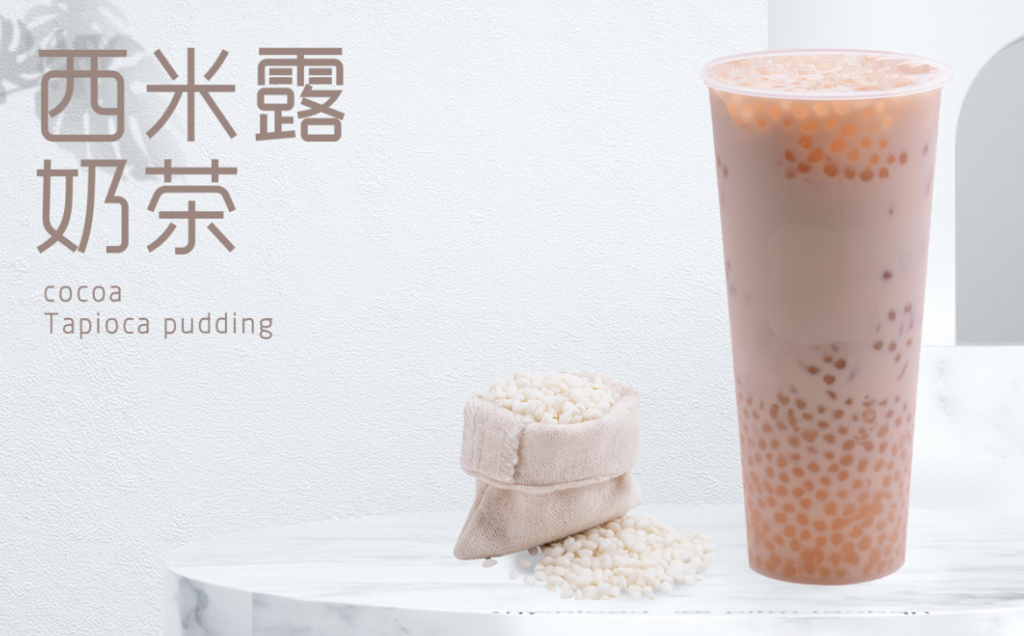
You see tapioca sago pearls in many recipes around the world. These pearls add texture and interest to sweetened drinks and desserts. You find them in bubble tea pearls, which are famous for their chewy bite. Many people call these black pearls, and they give bubble tea its unique look and feel. You also use tapioca sago pearls in puddings. These puddings have a creamy base and a fun, bouncy texture. You can make coconut tapioca pudding, mango sago pudding, or even chocolate black pearls pudding.
In Southeast Asia, cooks use tapioca sago pearls in dessert soups. These soups often include coconut milk, fruit, and black pearls. You might try sago gula melaka, a Malaysian treat with palm sugar syrup and tapioca sago pearls. In India, you see sabudana kheer, a pudding made with milk, sugar, and black pearls. Some people add tapioca sago pearls to beverages for extra texture. You can also use them in fruit salads or layer them in parfaits. These pearls work well in both hot and cold puddings.
Tip: Try adding black pearls to your favorite sweetened drinks and desserts for a chewy surprise.
Cooking Tips
You want the best texture from tapioca sago pearls. Start by choosing the right size. Small tapioca pearls cook faster and work well in puddings. Large black pearls need more care. You must precook them, then soak for 8-12 hours or overnight. This step helps avoid long boiling times. After soaking, simmer the pearls for about 15 minutes. Let them rest for another 15-20 minutes. This process gives you soft and chewy black pearls.
Use a thick-bottomed pot to prevent scorching. Soak small tapioca pearls for 30 minutes to 1 hour before cooking. Bring the mixture up to temperature slowly. Stir constantly to prevent sticking and ensure even cooking. If you cook black pearls in boiling water with sugar, you get the desired chewy texture. Slightly overcook the pearls because they firm up as they cool. You can use milk instead of water for creamier puddings. After cooking, cool the pearls in sugar syrup. This keeps the texture and stops them from getting slimy.
Note: Never soak large tapioca pearls raw. They dissolve and lose their shape. Always soak after precooking.
You can use black pearls in puddings, bubble tea pearls, and other sweetened drinks and desserts. These tips help you get the best results every time.
Taste Comparison
Tapioca Pearls Taste
When you eat tapioca pearls, you first notice how chewy they are. They do not have a strong taste. Tapioca pearls taste mild and neutral. They do not cover up other flavors in your dessert or drink. Tapioca pearls soak up the taste of what they are cooked in. This makes them great for bubble tea and puddings. Food experts say tapioca pearls help balance the taste of a dish.
- Tapioca pearls get soft when cooked and take on flavors from milk, tea, or juice.
- Their chewy texture makes drinks like bubble tea more fun.
- Small tapioca pearls give puddings a soft and even feel.
- Large tapioca pearls stay firmer and are best in drinks.
- Instant tapioca pearls cook fast but do not soak up as much flavor.
Tapioca pearls look shiny after cooking. They help desserts get thick and creamy because of the starch. This makes the texture smooth and nice to eat. The taste of tapioca pearls changes with what you cook them in. You can try different flavors to see what you like best.
Tip: For more flavor, soak tapioca pearls in syrup or coconut milk before using them.
Sago Pearls Taste
Sago pearls feel different when you eat them. When cooked, sago pearls get bigger and turn creamy. They taste mild, just like tapioca pearls. Sago pearls take on the taste of coconut milk, fruit, or spices. Chefs say sago pearls feel silky and melt in your mouth. This makes desserts taste rich but still light.
- Sago pearls go well with tropical fruits and spices.
- They make desserts creamy when mixed with custard or fruit.
- Sago pearls do not have a strong taste but show off other flavors.
- People say sago pearls feel silky, pearly, or sometimes a little slimy.
- Sago pearls are good in dessert soups, puddings, and drinks with a creamy base.
You can use sago pearls in many dishes, like pudding or fruit salad. The taste of sago pearls changes with what you add to them. You can make new flavors by trying different mixes. Sago pearls make desserts feel light and cool, so people like them in tropical sweets.
Note: For the best taste, cook sago pearls until they are clear and soft.
Texture and Appearance
Chewiness and Bite
When you taste tapioca pearls, you notice a springy and chewy texture right away. Sensory studies show that tapioca pearls have more chewiness and bounce than sago pearls. The way manufacturers treat the starch in tapioca pearls makes them firm and elastic. You get a satisfying bite every time you eat black pearls in bubble tea. Sago pearls feel softer and melt in your mouth. You do not get the same springy sensation from sago. Many people prefer the chewiness of tapioca pearls, especially in drinks and desserts. Black pearls stand out because they keep their shape and texture after cooking. Sago pearls work well in creamy puddings and soups where you want a gentle, smooth mouthfeel. You can choose black pearls for a chewy experience or sago pearls for a softer, melting texture.
Tip: If you want a dessert with a fun, bouncy bite, use black pearls. For a silky, smooth treat, pick sago pearls.
Color and Size
You see many differences in color and size when you compare tapioca pearls and sago pearls. Most tapioca pearls measure between 2mm and 5mm. You find black pearls in bubble tea, which are usually larger and dyed dark brown or black. The color of black pearls stays the same after cooking. White tapioca pearls sometimes turn brown if you cook them with sugar or honey. Sago pearls are usually smaller, about 2mm, and have an off-white color. Some sago pearls look brown or pink, depending on how people make them. The shape of tapioca pearls is almost perfect because machines produce them. Sago pearls often look uneven since people make them by hand.
| Characteristic | Tapioca Pearls | Sago Pearls |
| Size | 1mm to 8mm (commonly 2mm to 3mm); black pearls are larger | About 2mm |
| Color | White, black pearls (dyed), brown if cooked with sugar | Off-white, brown, pink |
| Shape | Factory-made, almost perfect | Manually made, uneven |
You notice black pearls in bubble tea because of their bold color and size. Sago pearls blend into desserts with their soft look. You can use black pearls to add visual interest to drinks. Sago pearls give a gentle, creamy appearance to puddings and soups.
Substitution Guide
When to Substitute
Sometimes you cannot find real sago pearls. Many cooks use tapioca pearls instead. You can swap them in sweet desserts. Mango Sago and coconut milk pudding taste good with both. Both pearls give a soft and chewy feel. Cooks use tapioca pearls in Mango Sago from Hong Kong. They get soft and chewy when cooked well. Real sago pearls also work in creamy, tropical treats.
- Mango Sago
- Coconut milk pudding
- Fruit salad with pearls
- Creamy dessert soups
- Parfaits with chewy pearls
Both pearls soak up flavors from milk, fruit, or syrup. You cook them in almost the same way. Stir often and use lots of water. Rinse after cooking to keep them chewy. You get the same taste and texture in most sweet dishes.
Tip: If you want a chewy dessert but cannot find real sago, use tapioca pearls. They work in creamy, tropical recipes.
Tips and Caveats
You should know some key differences before you swap pearls. Both look alike but act differently when cooked. Real sago pearls come from the sago palm. Tapioca pearls come from cassava roots. Real sago pearls stay firm and hold their shape better. Tapioca pearls get soft and expand faster.
| Characteristic | Sago Pearls | Tapioca Pearls |
| Source | Sago palm pith (Metroxylon sagu) | Cassava root (Manihot esculenta) |
| Size | Smaller, more uniform | Larger, more variable |
| Texture | Firmer, maintains structure better | Softer, more yielding |
| Cooking Time | Longer (25-30 minutes) | Shorter (15-20 minutes) |
| Absorption Rate | Slower | Faster |
| Volume Change | Expands less rapidly | Expands more rapidly |
Real sago pearls need more time to cook and soak up water slowly. Tapioca pearls cook faster and get bigger quickly. If you use tapioca pearls, measure carefully. They may make your dessert softer and thicker. Real sago pearls keep their shape and give a firmer bite.
Note: Always check your recipe. If you want a firmer dessert, use real sago pearls. For a softer, chewy treat, use tapioca pearls. Change cooking time and water to get the texture you want.
You can swap pearls in most sweet recipes. Remember these tips. Each pearl makes your dessert special.

Choosing for Your Recipe
Factors to Consider
When you pick between tapioca pearls and sago pearls, you need to think about a few things. Each pearl type gives your food a different feel and taste. They also cook in different ways. The table below shows how they are not the same:
| Factor | Tapioca Pearls | Sago Pearls |
| Texture | Larger, chewier, more gelatinous | Smaller, softer, firmer |
| Flavor | Neutral flavor | Slightly nutty flavor |
| Cooking Time | Requires longer cooking and more liquid | Shorter cooking time, less liquid |
| Cultural Uses | Used in bubble tea, South American flatbreads | Common in Southeast Asian desserts |
| Availability | More common in some regions | More common in others |
| Nutritional Profile | Good source of carbohydrates, some calcium and iron | High in carbohydrates, low calorie |
Think about what you want to make. Some foods need chewy pearls. Other foods need pearls that melt in your mouth. Bubble tea needs chewy tapioca pearls. Creamy puddings or dessert soups use sago pearls for a soft feel.
Note: Always read the label before you buy. Some stores call both pearls by the same name, but they are not the same.
Do not swap pearls without changing how you cook them. Tapioca pearls need more water and take longer to cook. Sago pearls cook faster and need less water. If you want to make a dish from a certain place, use the right pearl. For example, Brazilian crepes use tapioca flour, not sago.
Store your pearls in a cool, dry spot. This keeps them fresh and stops them from sticking together.
You have learned how tapioca and sago pearls are different. Tapioca pearls are best for drinks like bubble tea. You can also use them in baked treats. Sago pearls are good for soft and creamy desserts. They work well in warm puddings and soups. The table below can help you pick which pearl to use:
| Aspect | Tapioca Pearls | Sago Pearls |
| Origin | Cassava starch | Sago palm starch |
| Texture | Chewy, bold | Soft, gentle |
| Best for | Bubble tea, puddings | Warm puddings, soups |
Always look at the label for size and starch type. Read the cooking steps before you start. Try both pearls in different recipes. This way, you can see which texture and taste you like best!
FAQ
What is the main difference between tapioca and sago pearls?
Tapioca pearls come from cassava roots. Sago pearls come from sago palm pith. You see different textures and uses in recipes. Tapioca pearls feel chewy. Sago pearls melt in your mouth.
Can you use tapioca pearls instead of sago pearls in desserts?
You can swap tapioca pearls for sago pearls in most sweet dishes. The texture changes. Tapioca pearls give a chewy bite. Sago pearls make desserts soft and creamy.
Are tapioca and sago pearls gluten-free?
Yes, both tapioca and sago pearls are gluten-free. You can use them in recipes if you avoid gluten. Always check the package label for added ingredients.
How do you store tapioca and sago pearls?
Store both types in a cool, dry place. Use an airtight container. This keeps the pearls fresh and stops them from sticking together.
medicament kamagra en ligne buy
commander en ligne kamagra pas cher
online order enclomiphene usa seller
order enclomiphene cheap pharmacy
cheapest buy androxal usa suppliers
cheap androxal without recipe
purchase dutasteride generic no prescription
dutasteride no prescrption
how to order flexeril cyclobenzaprine pill
how to buy flexeril cyclobenzaprine price in canada
cheapest buy gabapentin cheap trusted
get gabapentin generic from canadian pharmacy
how to buy fildena buy from canada
how to buy fildena generic efficacy
purchase itraconazole new zealand
Where to buy itraconazole no perscription no fees
purchase staxyn price for prescription
buy staxyn overnight free delivery
cheap avodart buy dallas
ordering avodart buy hong kong
buy canadian rifaximin online
how to buy rifaximin purchase australia
get xifaxan australia generic online
buying xifaxan usa seller
kamagra lék bez lékařského předpisu
koupit kamagra v sobotu dodání
Can you be more specific about the content of your article? After reading it, I still have some doubts. Hope you can help me.