


Oat milk makes milk tea feel plush without dairy—and it lets fruit notes shine. Pair that with the snap-and-burst fun of popping boba, and you’ve got a cup that’s equal parts creamy comfort and bright, Instagram‑ready color.
If you’re a café operator or product developer, there’s more at stake than vibes: you need flavors that read clearly in oat milk, hold up across a 10–30 minute service window, and come in SKUs you can actually buy and ship. Below is our 2026 guide to the best‑fit flavors, plus pairing rules, a comparison table, and sourcing options. A sourcing link appears in the “Where to buy” section.
How we chose the best popping boba flavors for oat milk tea
We used a weighted methodology tailored to oat milk builds:
Oat‑milk pairing compatibility (22) — taste balance in black/jasmine bases; persistence after 10 minutes.
Sensory clarity & color contrast (16) — how much the pearls pop against opaque oat milk.
Stability in oat matrices (14) — shell integrity, flavor fade, and visible color bleed at 30–45 minutes.
Availability & export readiness (18) — SKU breadth, shelf life, packaging, overseas shipping.
Consumer trend alignment 2026 (12) — match to current fruit‑forward preferences.
Cost per serving (10) — based on typical 25–35 g servings.
Dietary & labeling transparency (8) — vegan/gelatin‑free status and allergen clarity.
Evidence sources included reputable recipe and supplier resources. For serving yield and cost math, we referenced bulk jar benchmarks (7 lb jars, ~55 servings at 60 g) from Webstaurant’s Fanale listing in 2025–2026 contexts; cost per 25–35 g serving typically pencils out in the low cents in commercial volumes. See the serving/yield reference in the Webstaurant listing: bulk jar yields and portion math. For pairing logic in milk + fruit builds, we also reviewed Monin’s guidance on bubble tea recipes and bases in 2025: Monin’s bubble tea recipe guide.
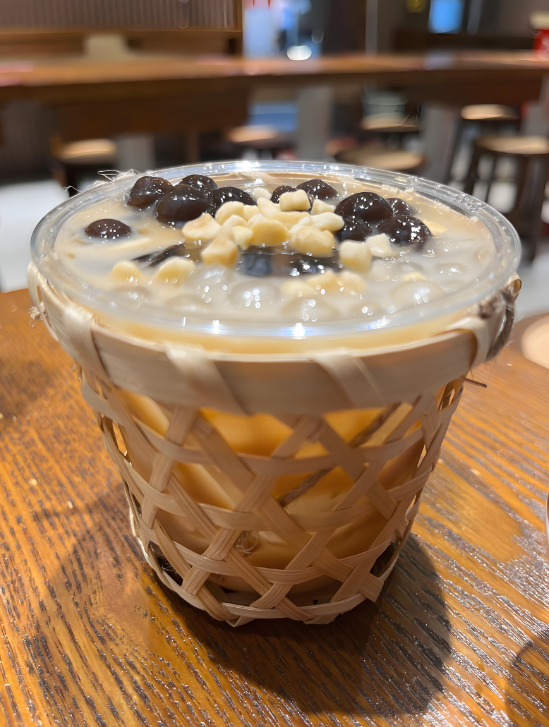
Disclosure: Bubble Tea Supplier is our brand. We evaluated it using the same criteria as other products and flavors in this list.
Flavor pairing framework: tea base + oat milk + popping boba
Start with the structure of the drink, then choose flavors.
Pick a tea base that doesn’t fight the fruit. Jasmine green, classic green, and some floral oolongs tend to play nicer with fruit pearls than robust black teas in creamy builds.
Calibrate sweetness to the pearl. Many fruit pearls skew sweet; if you’re dosing 25–35 g, reduce syrup slightly in the milk tea base.
Mind acidity in milk. High‑acid flavors (yuzu, passionfruit) sparkle in oat milk when you compensate with sugar and choose a lighter base.
If you’re new to toppings or need a quick refresher on how popping boba behaves in cups, see our primer: the Ultimate Guide to Milk Tea Toppings — from classics to new textures, including popping boba mechanics and serving norms in 2025–2026 trends: milk tea toppings guide.
For an example of a tea base that sings with stone fruit, explore a light oolong: White Peach Oolong Tea.
The list: 10 best‑fit popping boba flavors for oat milk milk tea
Notes on format: Each card includes pairing position, sensory notes, suggested tea base, sweetness/acid rating (1–5), why it works in oat milk, alternates, serving guidance, and an optional cost range (subject to change). Start with 25–35 g pearls per 16–20 oz; go up to ~60 g for a standard topping level.
1) Mango — Sunny, crowd‑pleasing, highly visual
Tastes like: Ripe tropical mango; juicy, candy‑adjacent if overdosed.
Best with: Jasmine or green tea; light mango syrup or puree.
Sweetness/acid balance: 4/5 sweet, 2/5 acid.
Why it works with oat milk: Mango’s round sweetness and aromatic top notes cut through oat milk’s creaminess without turning muddy.
Also try: Mango + peach pearls; mango + coconut jellies for texture layering.
Serving guidance: Start at 25–35 g; increase for maximal burst effect.
Price/serving (illustrative): From ~$0.30–$0.60 per 25–35 g, subject to change.
Evidence links: Sensory/product context via Possmei’s mango pearl page and green‑tea pairing logic from Taipec’s guide — Mango popping boba product context • Green/jasmine + fruit pairing ideas
2) Lychee — Floral and elegant for lighter milk teas
Tastes like: Perfumed lychee; delicate, honeyed finish.
Best with: Jasmine green tea; a light lychee or white‑peach syrup.
Sweetness/acid balance: 3/5 sweet, 1/5 acid.
Why it works with oat milk: Lychee’s floral lift offsets oat milk’s grain‑cream notes for a refined profile.
Also try: Lychee + strawberry pearls; lychee + jasmine foam cap.
Serving guidance: 25–35 g to avoid overpowering subtle tea notes.
Price/serving: ~$0.30–$0.60 per 25–35 g, subject to change.
3) Strawberry — Familiar, photogenic, sweet‑tart
Tastes like: Jammy strawberry with a tangy edge.
Best with: Green or jasmine tea; measured strawberry syrup.
Sweetness/acid balance: 4/5 sweet, 2/5 acid.
Why it works with oat milk: The tartness adds definition so the cup doesn’t drink flat.
Also try: Strawberry + mixed berry pearls; strawberry + chocolate oat foam for a dessert angle.
Serving guidance: 25–35 g for balance; 60 g for a dessert‑leaning build.
Price/serving: ~$0.30–$0.60 per 25–35 g, subject to change.
4) Peach — Gentle stone fruit for oolong and jasmine bases
Tastes like: White/yellow peach; mellow and fragrant.
Best with: Light oolong (e.g., white peach oolong) or jasmine; minimal peach syrup.
Sweetness/acid balance: 3/5 sweet, 1/5 acid.
Why it works with oat milk: Peach layers smoothly on oat milk’s creaminess; nothing clashes.
Also try: Peach + lychee pearls; peach + jasmine foam.
Serving guidance: 25–35 g; consider pastel visuals with lighter doses.
Price/serving: ~$0.30–$0.60 per 25–35 g, subject to change.
— Mid‑list resources —
Toolbox: your oat‑milk + popping‑boba starter kit
Ratios at a glance: 12–14 oz brewed tea + 4–6 oz oat milk + ice; adjust sugar down slightly when dosing sweet fruit pearls.
Service window tips: Add pearls just before serving; for high‑acid flavors, test cups at 10/30 minutes to calibrate.
Sourcing note: A sourcing link is provided in the “Where to buy ingredients” section below; we recommend reviewing shelf‑life and packaging for export readiness.
5) Passionfruit — Zingy and aromatic; manage acidity
Tastes like: Tangy tropical passionfruit; aromatic and bright.
Best with: Jasmine or green tea; simple syrup to balance acid.
Sweetness/acid balance: 3/5 sweet, 4/5 acid.
Why it works with oat milk: Acidity enlivens cream; keep sugar in check so it doesn’t feel thin.
Also try: Passionfruit + mango pearls; passionfruit + pineapple pearls for a tiki vibe.
Serving guidance: 25–35 g; taste for acid balance.
Price/serving: ~$0.30–$0.60 per 25–35 g, subject to change.
6) Blueberry — Sweet‑tart berry depth with strong contrast
Tastes like: Cooked berry; sweet with a gentle zing.
Best with: Jasmine or floral teas; vanilla syrup for dessert‑leaning builds.
Sweetness/acid balance: 3/5 sweet, 2/5 acid.
Why it works with oat milk: Blueberry’s depth prevents the cup from drinking one‑note.
Also try: Blueberry + strawberry pearls; blueberry + lemon zest foam.
Serving guidance: 25–35 g; up to 60 g for maximal color pop.
Price/serving: ~$0.30–$0.60 per 25–35 g, subject to change.
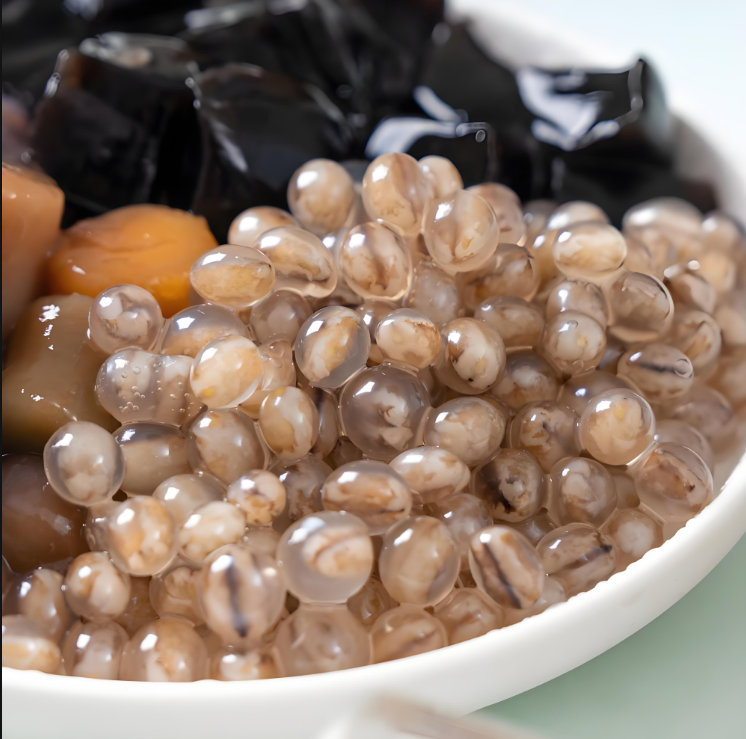
7) Watermelon — Refreshing summer note; keep it light
Tastes like: Juicy watermelon; delicate and refreshing.
Best with: Green tea; a restrained melon or cucumber syrup.
Sweetness/acid balance: 3/5 sweet, 1/5 acid.
Why it works with oat milk: Use a light hand—the delicate profile reads best with brighter bases and moderate sugar.
Also try: Watermelon + strawberry pearls for a summer special.
Serving guidance: 25–35 g; avoid heavy black teas that flatten the fruit.
Price/serving: ~$0.30–$0.60 per 25–35 g, subject to change.
8) Pineapple — Tropical lift that cuts through cream
Tastes like: Pineapple soda vibes; bright and juicy.
Best with: Green or lightly roasted oolong; simple syrup to soften the tang.
Sweetness/acid balance: 3/5 sweet, 3/5 acid.
Why it works with oat milk: The tart edge adds definition and keeps the finish lively.
Also try: Pineapple + coconut jellies; pineapple + passionfruit pearls.
Serving guidance: 25–35 g; increase sweetness slightly if the cup feels thin.
Price/serving: ~$0.30–$0.60 per 25–35 g, subject to change.
9) Yuzu — Premium citrus sparkle; calibrate sweetness
Tastes like: Lemon‑lime‑grapefruit hybrid; aromatic citrus oil.
Best with: Jasmine green; a touch of honey or simple syrup.
Sweetness/acid balance: 2/5 sweet, 4/5 acid.
Why it works with oat milk: Zesty aromatics lift oat milk’s creamy base into something modern and bright.
Also try: Yuzu + strawberry pearls; yuzu + lychee pearls.
Serving guidance: 25–35 g; sweeten intentionally.
Price/serving: ~$0.30–$0.60 per 25–35 g, subject to change.
Evidence link: 2025 flavor‑trend coverage of yuzu’s rise — yuzu as a trending citrus profile
10) Mixed Berry — Layered berry complexity that holds up
Tastes like: Strawberry/blueberry/raspberry blend; jammy and vivid.
Best with: Jasmine or light oolong; restrained berry syrup.
Sweetness/acid balance: 4/5 sweet, 2/5 acid.
Why it works with oat milk: Multiple berry notes create contrast and persistence through the melt.
Also try: Combine single‑berry pearls to simulate a custom blend.
Serving guidance: 25–35 g; consider a 60 g dessert build with foam.
Price/serving: ~$0.30–$0.60 per 25–35 g, subject to change.
Comparison table: flavors at a glance
Flavor Tea base pairing Sweetness Acidity/brightness Best-for Not-for Notes & limitations
Mango Jasmine/green 4 2 Visual pop and broad appeal Very low-sugar builds Can read candy-sweet if overdosed
Lychee Jasmine/green 3 1 Elegant, floral cups Heavy black tea Subtle; keep sugar moderate
Strawberry Green/jasmine 4 2 Photogenic, familiar profiles Ultra-dry builds Calibrate colorants and sugar
Peach Light oolong/jasmine 3 1 Smooth, creamy harmony High-acid combos Softer contrast in photos
Passionfruit Jasmine/green 3 4 Bright, modern profiles Very tannic bases Balance acid with sugar
Blueberry Jasmine/floral 3 2 Berry depth and color pop Delicate white teas Watch for color dominance
Watermelon Green 3 1 Summer specials Heavy black teas Can feel thin in milk
Pineapple Green/oolong 3 3 Tropical lift Very low-sugar menus Adjust sweetness to prevent thinness
Yuzu Jasmine 2 4 Premium citrus vibes Unsweetened builds Needs intentional sweetening
Mixed Berry Jasmine/oolong 4 2 Layered berry complexity Minimalist builds Availability varies by supplier
Where to buy ingredients (non‑affiliate)
For export‑ready popping boba, syrups, teas, and related milk‑tea ingredients, explore the category hub here: Bubble Tea ingredients.
Alternative routes:
Local restaurant‑supply distributors — fast pilots; selection may be limited.
Specialty beverage wholesalers — broader assortments; check shelf‑life specs and packaging for non‑refrigerated transit.
FAQ
Q: Is popping boba vegan and gelatin‑free? A: Generally yes. Most popping boba use an alginate shell (not gelatin) and are dairy‑free; always verify labels for additives and colorants. See this 2025 overview on vegan status: gelatin‑free, vegan popping boba explained.
Q: Which tea bases pair best with oat milk? A: For fruit pearls in creamy builds, jasmine green, classic green, and light oolongs tend to harmonize better than robust black teas. See recipe/base logic in Monin’s bubble tea recipe guide.
Q: Can I combine popping boba with tapioca pearls? A: Yes. Many shops layer textures. Reduce syrup slightly since both toppings contribute sweetness, and test straw bore for smooth flow.
Q: How do I prevent popping boba color bleed in oat milk? A: Add pearls close to service, keep opened jars refrigerated and submerged in their syrup, and minimize long soaks in milk. High‑acid flavors warrant 10/30‑minute tests to check color and shell. Storage norms summarized by suppliers such as Boba Vida’s FAQ: popping boba storage and handling.
Q: What’s the recommended serving amount per 16–20 oz cup? A: Start at 25–35 g for balanced sweetness; 60 g (≈3 tbsp) is a standard topping level in many builds. Serving/yield math reference: bulk jar yields and portion math.
Next steps
Pilot 2–3 flavors across the creamy‑friendly (peach, lychee) and bright/tart (mango, passionfruit, yuzu) spectrum, using 25–35 g doses first.
Document 0/10/30‑minute checks for color, shell integrity, and perceived intensity.
When you’re ready to source, review the ingredients and packaging options in the category hub linked above and request sample kits to validate fit in your menu and service flow.