


Introduction: From Humble Origins to Global Sensation
In recent years, the world has witnessed an unprecedented surge in popularity of Chinese milk tea, transforming from a Taiwanese specialty to an international beverage phenomenon. For tea wholesalers, café owners, and beverage entrepreneurs looking to capitalize on this trend, understanding the history, variations, and market potential of Chinese milk tea is essential. This comprehensive guide explores everything from traditional preparation methods to modern business applications for this beloved drink.
The Historical Roots of Chinese Milk Tea
Chinese milk tea, often known as “bubble tea” or “boba tea,” traces its origins to 1980s Taiwan, where tea stands began experimenting with cold tea beverages. The iconic addition of tapioca pearls created the textural sensation that would define the drink for generations. What began as a local innovation has evolved into a global industry worth billions, with constant reinventions keeping it relevant across cultures and continents.
The traditional preparation involves brewing strong black tea (often Assam or Ceylon), combining it with milk or creamer, and sweetening it to taste. The “bubble” originally referred to the frothy layer created by vigorously shaking the chilled tea with ice, though today it’s more commonly associated with the tapioca pearls at the bottom. Understanding this heritage helps businesses appreciate the drink’s cultural significance while innovating for local markets.
The Anatomy of Authentic Chinese Milk Tea
Tea Base Varieties
The foundation of any quality milk tea begins with the tea leaves. Popular bases include:
Black Tea: Robust varieties like Assam, Ceylon, or Earl Grey provide the classic flavor profile
Green Tea: Jasmine or matcha-based milk teas offer a lighter, aromatic alternative
Oolong Tea: Semi-oxidized teas create complex, floral notes
White Tea: Delicate and minimally processed for subtle, sophisticated drinks
For those seeking premium ingredients, specialty suppliers offer curated selections perfect for milk tea applications. The choice of tea significantly impacts the final beverage’s character, making sourcing crucial for businesses.
Milk and Creamer Options
Traditional Chinese milk tea uses evaporated or condensed milk, contributing to its distinctive richness. Modern variations have expanded to include:
Fresh dairy milk
Non-dairy creamers (providing the classic texture many expect)
Plant-based alternatives (almond, oat, soy, and coconut milk)
Luxury options like cream tops and cheese foam
Sweeteners and Textural Elements
Beyond standard sugar syrups, innovative sweeteners include honey, brown sugar, and fruit-infused syrups. The textural components represent one of milk tea’s most distinctive features:
Tapioca Pearls (Boba): The iconic chewy spheres made from cassava starch
Popping Boba: Fruit juice-filled spheres that burst in the mouth
Grass Jelly: A mild, herbaceous gelatin alternative
Pudding: Egg-based custard additions
Red Bean: Sweet, traditional addition popular in Asian variations

The Global Milk Tea Market: Trends and Opportunities
Current Market Landscape
The global bubble tea market was valued at approximately $2.4 billion in 2021 and is projected to reach $4.3 billion by 2027, growing at a CAGR of 8.9%. This expansion is driven by:
Increasing globalization of Asian food culture
Growing interest in experiential beverages
Social media amplification of visually appealing drinks
Continuous product innovation
Health-conscious adaptations (sugar-free options, functional ingredients)
Regional Variations and Adaptations
Successful international milk tea businesses understand localization:
North America: Emphasis on customization, organic ingredients, and caffeine-conscious options
Europe: Appreciation for premium tea bases and artisanal preparation
Southeast Asia: Preference for intense flavors and innovative textures
Australia: Focus on fresh ingredients and café culture integration
Health Considerations and Modern Adaptations
Addressing Nutritional Concerns
Traditional milk tea can be high in sugar and calories, but modern adaptations address these concerns:
Sugar-free sweeteners: Stevia, erythritol, and monk fruit alternatives
Reduced-calorie options: Skim milk and light creamers
Functional additions: Collagen, probiotics, and vitamin enhancements
Herbal infusions: Adaptogen-rich herbs for wellness-focused variations
Quality Ingredients Matter
Consumers increasingly seek transparency about sourcing and ingredient quality. Premium tea leaves, natural flavorings, and ethically sourced components represent significant selling points in today’s market.
Business Applications: From Wholesale to Retail
For Tea Wholesalers
Chinese milk tea represents a substantial opportunity for tea wholesalers to expand their product lines. Considerations include:
Curating tea blends specifically formulated for milk tea preparation
Offering complete kits (tea, pearls, syrups) for new entrepreneurs
Providing education on proper brewing techniques and ratios
Developing private label options for emerging brands
Specialized suppliers like Bubble Tea Suppliers offer comprehensive solutions for businesses entering the milk tea market, from equipment to ingredients and training resources.
For Café and Restaurant Owners
Integrating milk tea into existing menus requires strategic planning:
Startup considerations: Equipment needs (sealers, shakers, pearl cookers)
Menu integration: Balancing signature drinks with customizable options
Staff training: Proper pearl preparation, tea brewing, and assembly techniques
Marketing approach: Visual appeal, storytelling, and experiential elements
For Beverage Entrepreneurs
The relatively low barrier to entry makes milk tea businesses attractive for entrepreneurs:
Mobile bubble tea stands require minimal initial investment
Franchise opportunities with established brands
Specialty focuses (vegan, health-conscious, premium ingredients)
E-commerce potential for DIY milk tea kits and supplies
Marketing Chinese Milk Tea in Western Markets
Storytelling and Authenticity
Successful marketing emphasizes:
Cultural heritage and preparation artistry
Quality ingredients and sourcing stories
Customization and personalization narratives
Visual appeal optimized for social media sharing
Educational Components
Western consumers appreciate learning about:
Proper tea brewing techniques
History and cultural significance
Ingredient origins and benefits
How to appreciate flavor profiles and textures
Future Trends in Chinese Milk Tea
Innovation Directions
The milk tea industry continues evolving with:
Sustainable practices: Biodegradable packaging, ethical sourcing
Technological integration: App ordering, customization algorithms
Novel ingredients: Unexpected flavors, superfood additions
Experiential elements: DIY stations, create-your-own concepts
Health and Wellness Focus
Future developments will likely include:
Enhanced functional benefits (focus, relaxation, immunity)
Improved nutritional profiles
Transparency through technology (blockchain tracking)
Personalized nutrition integration
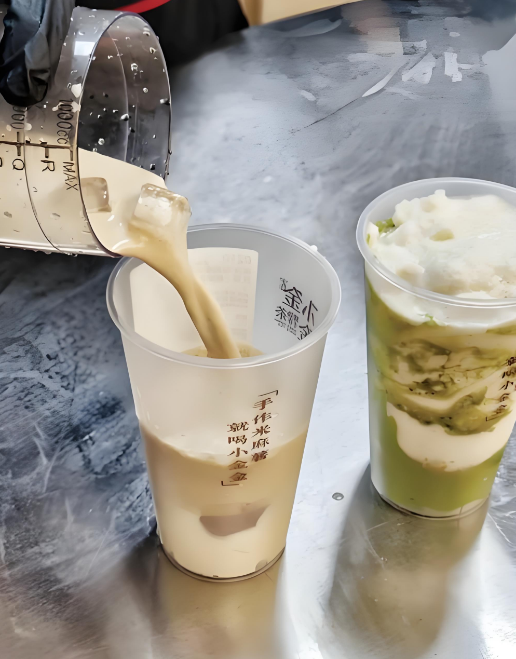
Conclusion: Embracing the Milk Tea Revolution
Chinese milk tea has transcended its origins to become a global beverage category with staying power. For businesses in the tea and beverage industry, understanding this phenomenon represents not just a passing opportunity but a substantial market segment with continuous innovation potential. The combination of cultural authenticity, textural novelty, and customization options ensures milk tea’s continued relevance in increasingly competitive beverage markets.
Whether you’re a tea wholesaler looking to expand your offerings, a café owner seeking to diversify your menu, or an entrepreneur considering a beverage venture, Chinese milk tea presents proven opportunities with substantial growth potential. By respecting traditional preparation methods while innovating for local tastes and contemporary preferences, businesses can successfully participate in this delicious revolution.
The journey from a Taiwanese street beverage to international phenomenon demonstrates the universal appeal of this unique drink. As consumer interest in global flavors, experiential consumption, and customizable options continues to grow, Chinese milk tea is perfectly positioned to satisfy these intersecting trends for years to come.