


Introduction: The Rise of Fruit Tea in the Boba Universe
The global bubble tea market, valued at over $2.8 billion in 2022, is experiencing a remarkable evolution. While traditional milk teas continue to delight, a vibrant newcomer has captured consumer imagination: fruit tea boba. This refreshing alternative now represents approximately 35% of boba shop sales in North America and Europe, with growth accelerating year over year. For tea wholesalers, beverage suppliers, and boba shop owners, understanding this trend isn’t just valuable—it’s essential for staying competitive in a rapidly expanding market.
This comprehensive guide explores the fruit tea boba phenomenon from multiple perspectives: as a menu centerpiece, a business opportunity, and a sourcing challenge. We’ll examine what makes fruit teas distinctive, how to craft winning menu combinations, and where to source premium ingredients that elevate ordinary beverages into extraordinary experiences.
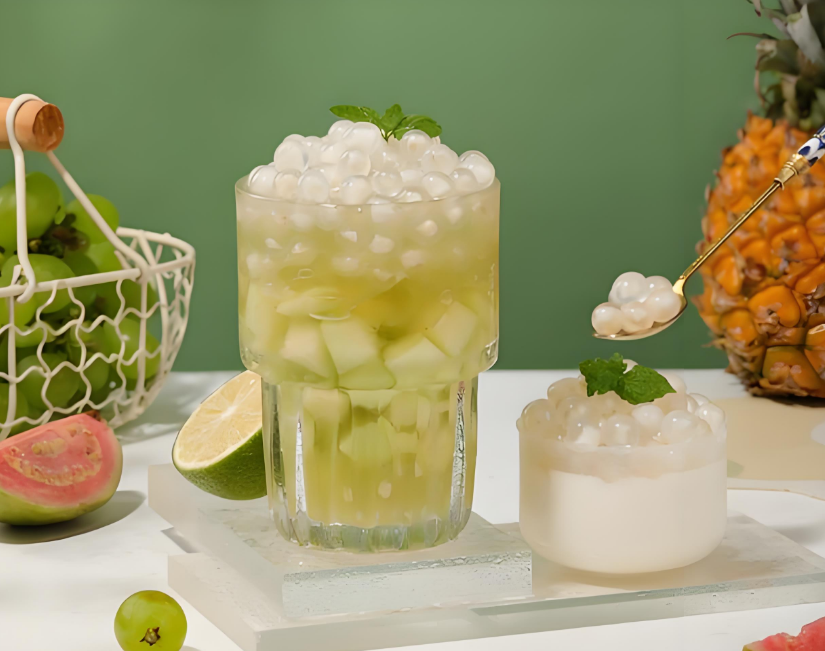
Understanding Fruit Tea: More Than Just Flavored Water
Before diving into menu creation, it’s crucial to understand what distinguishes quality fruit tea from basic flavored beverages. Authentic fruit tea begins with a proper tea base—green, black, white, or oolong—that’s carefully steeped to extract optimal flavor without bitterness. To this foundation, real fruit components are added through various methods:
Infusions: Dried or fresh fruit steeped alongside tea leaves
Purees and Juices: Concentrated fruit elements added post-brewing
Synergies: Combinations of fruit pieces, syrups, and tea that create layered flavor profiles
The health-conscious movement has significantly influenced fruit tea’s popularity. Compared to creamy milk teas, fruit varieties typically contain fewer calories, less sugar (when properly prepared), and beneficial antioxidants from both tea and fruit components. According to recent research on fruit tea benefits, these beverages can provide flavonoids and vitamins while offering a refreshing alternative to sugary soft drinks.
Crafting the Perfect Fruit Tea Boba Menu: Strategic Considerations
1. Seasonal Rotation Strategy
The most successful boba menus embrace seasonality. Consider this quarterly framework:
Spring: Berry medleys (strawberry, blueberry, raspberry) with floral notes
Summer: Tropical explosions (mango, passionfruit, pineapple) served extra chilled
Autumn: Citrus-forward blends (blood orange, yuzu, pomelo) with warming spices
Winter: Pomegranate, cranberry, and spiced apple combinations
Seasonal menus create anticipation, encourage repeat visits, and allow shops to capitalize on peak produce quality while managing costs.
2. Flavor Profile Architecture
Balance these four elements in every fruit tea creation:
Sweetness: Natural (from fruit) versus added (syrups, honey)
Acidity: Citrus elements that brighten the overall profile
Body: Tea base strength and texture enhancers
Finish: Lingering notes that complete the experience
3. Customization Framework
Modern consumers expect personalization. Structure your menu with clear customization options:
Sweetness levels: 0%, 25%, 50%, 75%, 100%
Toppings: Traditional tapioca pearls, fruit jellies, popping boba, aloe vera
Tea base options: Green (grassy, light), black (robust), white (delicate), oolong (complex)
Add-ons: Vitamin boosts, chia seeds, herbal enhancements
4. Signature Creations That Tell a Story
Develop 3-5 signature drinks with compelling narratives:
“Tropical Sunset”: Layers of mango, passionfruit, and guava that visually mimic twilight
“Berry Forest Medley”: Wild-harvested berry blend with forest fruit notes
“Citrus Glacier”: Refreshing blend of yuzu, lime, and mint with crystalline appearance
Sourcing Quality Ingredients: The Foundation of Excellence
Tea Base Selection
The tea foundation determines your fruit tea’s quality ceiling. Consider these sourcing guidelines:
Green Tea: Seek young leaves with vibrant color and vegetal notes
Black Tea: Opt for full-bodied varieties that won’t be overwhelmed by fruit flavors
White Tea: Source delicate, minimally processed leaves for subtle fruit pairings
Oolong: Select partially oxidized varieties with natural fruit undertones
Premium suppliers offer customized blends specifically formulated for fruit tea applications, balancing strength with complementary flavor profiles.
Fruit Components: Forms and Applications
Different fruit formats serve distinct purposes:
Freeze-dried fruits: Intense flavor, excellent for infusions
Purees: Consistent texture and flavor, ideal for blending
Juice concentrates: Efficient, space-saving, consistent
Fresh fruits: Premium appeal, seasonal limitations
Specialized Boba Components
Beyond traditional tapioca, innovative toppings are expanding fruit tea possibilities:
Fruit-flavored popping boba: Liquid-filled spheres that burst with flavor
Crystal boba: Transparent, chewy pearls made from konjac
Fruit jellies: Cubes or stars infused with real fruit juice
Aloe vera chunks: Refreshing, health-positive addition
Operational Considerations for Boba Shops
Preparation Efficiency
Fruit teas present different operational challenges than milk-based beverages:
Batch brewing systems for consistent tea bases
Prepped fruit components with proper holding procedures
Quick-assembly stations organized for customization speed
Quality control checks for each component daily
Equipment Specifications
Specialized equipment enhances fruit tea quality:
Precision brewers with temperature control
Clarification systems for crystal-clear teas
Rapid chill units that don’t dilute products
Hygienic fruit preparation stations
Training Protocols
Staff should understand:
Tea brewing science (time, temperature, ratios)
Fruit flavor pairing principles
Customization guidance for customers
Visual presentation techniques
Marketing Your Fruit Tea Boba Menu
Visual Appeal Strategies
Fruit teas offer exceptional visual marketing opportunities:
Layering techniques that create gradient effects
Transparent packaging that showcases vibrant colors
Garnish presentations that enhance Instagram appeal
Seasonal decors that match fruit offerings
Storytelling Through Ingredients
Connect customers to your sourcing story:
Origin highlights for specialty teas and fruits
Health benefit education for different combinations
Sustainability practices in your supply chain
Cultural inspirations behind signature drinks
Digital Engagement
Behind-the-scenes content showing preparation
Customer creation features showcasing custom drinks
Seasonal countdowns to new menu items
Educational snippets about tea and fruit varieties
The Wholesale Advantage: Sourcing for Scale and Quality
For tea wholesalers and beverage suppliers, the fruit tea boom represents significant opportunity. Successful sourcing requires:
Comprehensive Supply Chain Management
Direct relationships with tea growers and fruit processors
Quality verification systems at multiple checkpoints
Consistent supply of seasonal ingredients year-round
Technical support for clients developing menus
Product Development Support
Forward-thinking suppliers offer more than ingredients—they provide:
Menu development consultations
Flavor trend forecasting
Operational efficiency recommendations
Marketing collateral for end-consumers
Case Studies: Successful Fruit Tea Implementations
Urban Boba Chain Expansion
A mid-sized chain increased sales 42% after implementing a dedicated fruit tea menu with:
Four signature seasonal drinks
Clear customization framework
Educational materials about health benefits
Sourcing transparency in marketing
Independent Shop Differentiation
A single-location shop tripled revenue by:
Focusing exclusively on fruit tea boba
Offering weekly rare fruit features
Creating a “build-your-origin” experience
Hosting tea education workshops
Future Trends in Fruit Tea Boba
Health-Functional Ingredients
Adaptogen-infused fruit teas for stress relief
Probiotic and prebiotic additions for gut health
Vitamin and mineral fortification
Low-glycemic sweetening alternatives
Sustainability Innovations
Upcycled fruit components from juice industry byproducts
Regeneratively grown tea and fruits
Zero-waste preparation systems
Compostable or reusable serving formats
Technological Integrations
Blockchain traceability for ingredient origins
AI-driven flavor profiling for custom creations
IoT-enabled brewing systems for perfect consistency
Augmented reality menus that visualize drinks
Conclusion: Your Fruit Tea Future Starts with Quality Sourcing
The fruit tea boba movement represents more than a passing trend—it’s a fundamental expansion of the bubble tea category that aligns with global shifts toward healthier, more diverse beverage options. Success in this space requires equal parts creativity, operational excellence, and, most fundamentally, ingredient quality.
Whether you’re a boba shop owner developing your next menu, a beverage distributor seeking trending products, or a tea wholesaler expanding offerings, the foundation remains the same: premium ingredients expertly sourced. The difference between ordinary and extraordinary fruit tea lies in the quality of tea leaves, the authenticity of fruit components, and the innovation of complementary elements.
For businesses ready to excel in the fruit tea boba category, strategic sourcing partnerships make all the difference. At Bubble Tea Suppliers, we specialize in connecting quality-focused businesses with premium ingredients, innovative products, and the market insights needed to thrive. From traditional tapioca pearls to the latest fruit tea innovations, our curated selection represents the forefront of boba excellence.
The future of fruit tea boba is bright, flavorful, and ripe with opportunity. Those who invest in quality foundations today will harvest the rewards for years to come.
Ready to elevate your fruit tea boba offerings? Explore our curated selection of premium tea bases, authentic fruit components, and innovative boba additions at https://bubbleteasupplies.com/bubble-tea/. Connect with our specialists for personalized consultations on menu development, seasonal sourcing strategies, and trending flavor profiles that will distinguish your business in the competitive boba marketplace.