


You want your hot fruit tea to burst with flavor, so start with fresh, high-quality fruits and a creative approach. Nearly 55% of tea drinkers reach for fruit tea over traditional blends. Avoid common mistakes like using hard water or steeping too long. Try new recipe ideas and mix different fruits to find your favorite.
Key Takeaways
- Begin with fresh, good fruits like berries, apples, and citrus. This will give your hot fruit tea a bright flavor. Try using herbs and spices like ginger and cinnamon. These can make the taste better and are good for your health. Watch the water temperature and how long you steep the tea. This helps stop bitterness and makes the tea taste strong.
Choosing Fruits for Hot Fruit Tea
Best Fruits to Use
You want your hot fruit tea to taste amazing, so start with the right fruits. Always wash your fruit well and cut it into small pieces. This helps the flavors blend into your tea. Juicy, thin-skinned fruits work best because they release their taste quickly. Try berries, apples, or pineapples for a sweet and tangy kick.
Here are some top picks experts recommend for hot fruit tea:
- Fresh-picked berries like blueberries and strawberries
- Ripe cherries or tart cherries
- Peach or black cherry
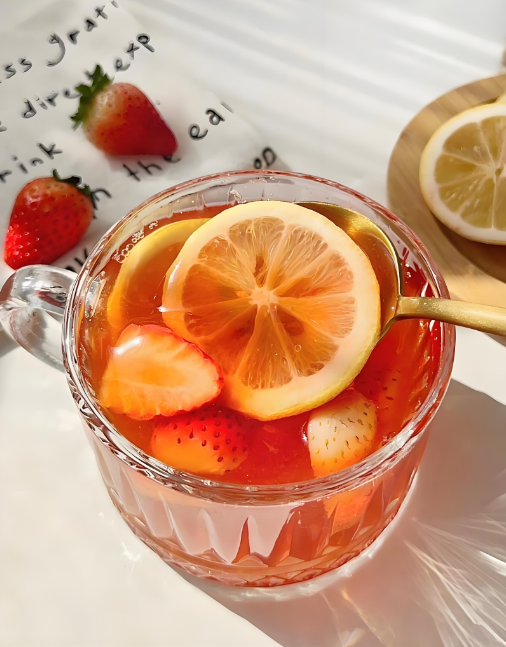
Mixing citrus, strawberries, and apples can create a bright, refreshing flavor. These fruits also bring health benefits. Strawberries, mango, pineapple, and raspberries are packed with vitamin C, which helps your immune system. Apples and lemons add antioxidants that support your heart.
Tip: Try combining two or three fruits for a unique twist. You might discover a new favorite recipe!
Fresh vs. Dried Fruit
You can use both fresh and dried fruit in your tea. Fresh fruit gives your hot fruit tea a vibrant, rich taste and lots of vitamins. It also keeps your drink caffeine-free and safe for most people. Dried fruit brings a stronger, sweeter flavor and still has nutrients, but it may not taste as fresh.
- Fresh fruit: bright taste, more vitamins (C, B, D, A, PP)
- Dried fruit: concentrated flavor, some nutrients, less freshness
Choose what fits your mood or what you have at home. Both options make a delicious cup of fruit tea.
Flavorful Add-Ins for Fruit Tea
Herbs and Spices
You can make hot fruit tea taste even better with herbs and spices. Add a cinnamon stick or some cloves for a warm, spicy flavor. Ginger gives a little heat and goes well with most fruits. Lemongrass gives your tea a fresh, lemony smell.
Did you know? Dried herbs and spices have lots of antioxidants. These help keep your cells safe and support your health.
Here’s how ginger and cinnamon help your tea:
| Health Benefit | Description |
| Reduced Risk Of Diseases | Ginger and cinnamon may help lower disease risk. |
| Reduced Blood Sugar Levels | Cinnamon can help lower blood sugar and help your heart. |
| Reduced Inflammation | Both spices help fight swelling in your body. |
| Packed With Antioxidants | These spices protect your cells from damage. |
| Weight Loss Support | Ginger cinnamon tea is low in calories and can help with weight loss. |
Sweeteners and Juices
There are many ways to sweeten your tea. Natural sweeteners like honey or agave nectar add taste and health perks. Maple syrup and coconut sugar give special flavors and nutrients. If you want less sugar, try erythritol or xylitol.
| Sweetener | Benefits | Dietary Suitability |
| Honey | Has antioxidants, helps with colds | Use a small amount |
| Agave Nectar | Lower sugar level, sweeter than sugar | Helps cut down on sugar |
| Maple Syrup | Has minerals and antioxidants | Best if pure and organic |
| Coconut Sugar | Keeps blood sugar steady | Good for most diets |
Fruit juices like orange or pineapple make your tea taste stronger and sweeter. They add flavor without too much sugar or calories. You can mix these add-ins to make your own tasty tea.
Brewing Hot Fruit Tea
Water Temperature and Steeping
Getting the right temperature and steeping time makes a big difference in your cup. You want your hot fruit tea to taste bold, not bitter or weak. Start by boiling fresh water. If you use black tea bags or herbal blends as your base, aim for a full boil.
Here’s a quick guide for water temperature:
| Tea Type | Recommended Temperature |
| Black tea | 212 degrees |
| Herbal tea | 212 degrees |
Pour the boiling water over your fruit and tea ingredients. Let everything steep for 5 to 7 minutes. If you like a stronger taste, you can leave it a little longer, but don’t overdo it. Too much time can make your drink taste harsh.
You can use black tea bags for a classic base, or try herbal blends for a caffeine-free option. Both work well in a fruit tea recipe. After steeping, let your hot fruit tea cool just a bit before you take a sip.
Tip: Letting your tea cool slightly helps your taste buds pick up more flavors. Cooler tea stays on your tongue longer, so you notice more layers. As it cools, some flavors get stronger and the whole drink tastes richer.
Layering Flavors
You want every sip to surprise you. Layering flavors is the secret to a balanced and exciting cup. Start by tasting the tea itself, then let the fruit, spice, or nutty notes come through. Use whole ingredients like fresh fruit, real spices, and natural flavors. These give your hot fruit tea an authentic taste that stands out.
Here are some ways to build flavor:
- Make sure your fruity notes are strong enough to last through brewing.
- Try adding spices like cinnamon, ginger, or mint for extra depth.
- Use dried citrus peels or rose petals for a custom twist.
- Start with small amounts of strong spices like cloves or pepper, then adjust to your liking.
Professional tea sommeliers suggest a few steps for maximum flavor:
- Pick a base tea—black, green, rooibos, or herbal.
- Choose spices that match your mood. Go for warming spices like cinnamon and ginger, or cooling ones like mint and cardamom.
- Experiment with infusions. Add dried fruit, citrus peels, or even floral notes.
- Adjust the strength. Some spices pack a punch, so add a little at first.
- Think about food pairings. Your blend might taste great with a meal, like chicken with turmeric and ginger.
Note: Don’t rush the process. Take your time to taste and adjust. Every batch can be a new adventure in flavor.
Brewing hot fruit tea is all about finding what you love. Try new combinations, tweak your recipe, and enjoy the process. You’ll discover that the best cup is the one you make your own.
Serving and Presentation Tips
Garnishes and Aroma
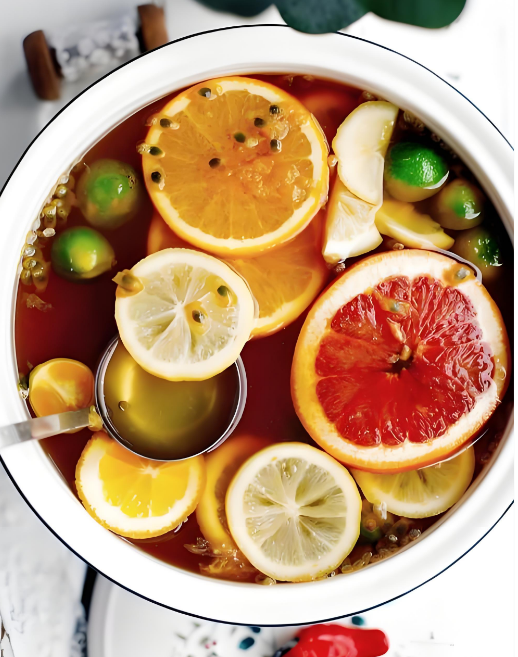
You can make your cup of fruit tea look and smell amazing with the right garnishes. Fresh fruit slices and herbs do more than decorate—they boost the aroma and flavor. Try these easy ideas:
- Orange slices or peel twists brighten your cup and pair well with black tea.
- Lemon slices or twists add a crisp scent, perfect for green teas.
- Candied citrus peel gives a sweet touch and looks beautiful.
- Rosemary sprigs bring a forest-like aroma, especially with citrus blends.
- Thyme adds an earthy note that works with herbal teas.
- Mint sprigs keep things fresh and lively.
Here’s a quick look at how some garnishes change your tea experience:
| Garnish | Influence on Sensory Experience |
| Citrus slices | Enhances flavor and aroma, adding freshness |
| Cinnamon sticks | Adds warmth and spice, enriching the overall taste |
You can mix and match these garnishes to fit your mood or the season. A simple garnish can turn your recipe into something special.
Creative Serving Ideas
You can impress your guests with the way you serve hot fruit tea. The vessel you choose makes a difference in both taste and temperature. Here are some fun options:
- Yixing teapots, made from purple clay, soak up flavors and make each cup richer over time.
- Cast-iron teapots hold heat well, so your tea stays hot for longer.
- Earthenware teapots have thick walls that keep your drink warm and cozy.
Try pouring your tea into clear glass mugs to show off the colors and floating fruit. Add a cinnamon stick or a sprig of mint for a final touch. You can even serve your tea with a small plate of dried fruit or cookies for a cozy treat.
Tip: The right serving style makes your fruit tea feel like a special event, even on a regular day.
You can make hot fruit tea pop with flavor by choosing fresh fruit, steeping at the right temperature, and adding creative spices. Check this quick guide:
| Tea Type | Ideal Temperature |
| Lychee Black Tea | 194-212°F |
| Green Tea | 158-176°F |
| Oolong Tea | 185-203°F |
“When tea becomes ritual, it takes its place at the heart of our ability to see greatness in small things.” Try new blends and enjoy every sip!
FAQ
Can you make hot fruit tea without caffeine?
You can! Use herbal teas or just fruit and spices. No caffeine in these blends.
Tip: Rooibos and chamomile work great for caffeine-free options.
What fruits taste best in hot fruit tea?
Try berries, apples, and citrus. Pineapple and mango add sweetness.
- Berries: tangy
- Apples: crisp
- Citrus: fresh
How do you sweeten hot fruit tea naturally?
You can use honey, agave, or pure maple syrup.
| Sweetener | Flavor Boost |
| Honey | Floral |
| Agave | Mild |
| Maple Syrup | Rich |